How to Use Hair Sticks in Fine Slippery Hair
Hair sticks are beautiful, simple, and surprisingly versatile hair accessories. However, people with fine, straight, or slippery hair often find them more challenging to use than expected. A hairstyle that looks secure in thick textured hair may slowly loosen or slide apart when created with smooth, lightweight hair.
The good news is that fine hair is not a reason to avoid hair sticks. The key is understanding how your hair behaves and adjusting your technique. Instead of forcing a large bun to stay in place, successful hair stick styling usually comes from better preparation, the right amount of tension, and choosing accessories that match your hair type.
Why Fine Hair Is Difficult to Hold With Hair Sticks
Fine hair has a smaller diameter compared with coarse hair, which means each strand provides less natural friction. When many smooth strands are gathered together, they can behave almost like a soft, slippery surface. This makes it easier for a hair stick to move instead of locking into position.
Straight hair can create another challenge. Natural waves and texture help accessories grip the hair, while very smooth hair allows the stick to slide between sections more easily.
Another common issue is that fine hair usually has less volume. A traditional large bun may simply not have enough material to create the internal structure needed to support a long or heavy hair stick.
The goal is to create a hairstyle structure that works with your natural hair texture.
Prepare Fine Hair Before Using a Hair Stick
Preparation makes one of the biggest differences when using hair sticks in slippery hair. Freshly washed hair is often the hardest to style because it is extremely clean and smooth.
Many people find better results one day after washing their hair. The small amount of natural oil helps create more grip between strands.
If your hair is very silky, you can also improve texture before styling:
- Use a lightweight texturizing spray or dry shampoo near the roots.
- Avoid applying heavy smoothing oils before inserting a hair stick.
- Gently create texture with your fingers instead of brushing everything perfectly flat.
- Use a small amount of styling product only where extra hold is needed.
The purpose is not to make hair stiff. A small amount of texture simply gives the hair stick something to hold onto.
Choose the Right Hair Stick for Fine Hair
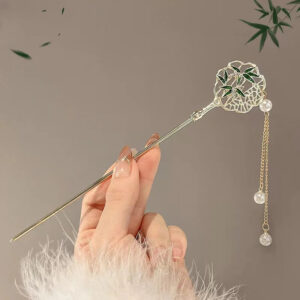
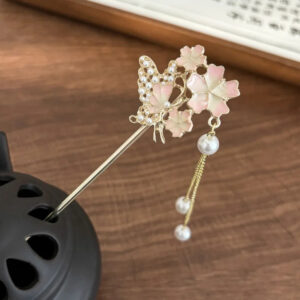
Not every hair stick works equally well for thin or slippery hair. Beginners often choose decorative sticks because they look beautiful, but the shape and weight are more important than appearance alone.
Choose lighter hair sticks
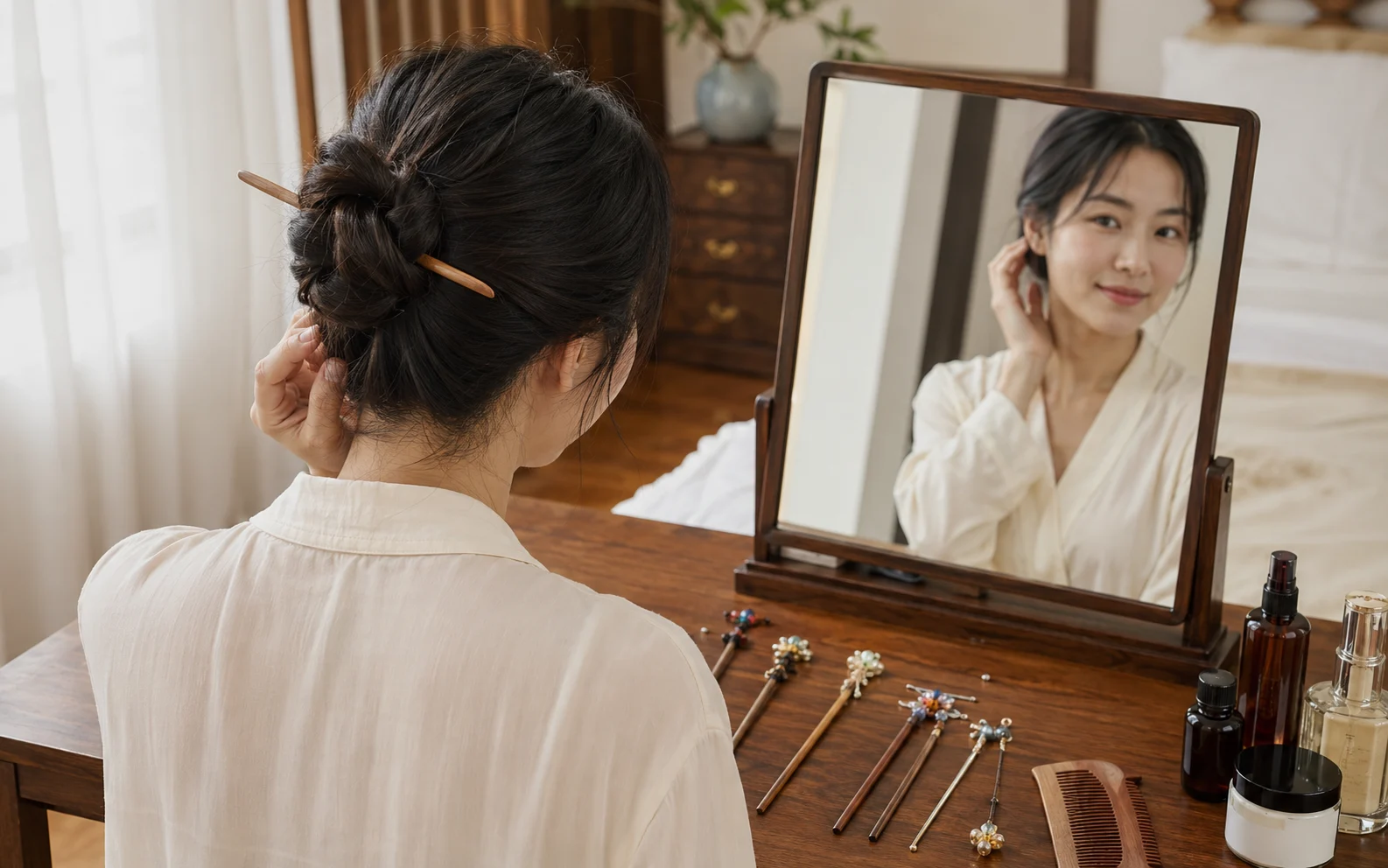
Heavy metal or oversized decorative hair sticks can pull downward and make fine hair collapse. Lightweight wooden hair sticks are usually easier for beginners because they create less pressure on the hairstyle.
Look for textured surfaces
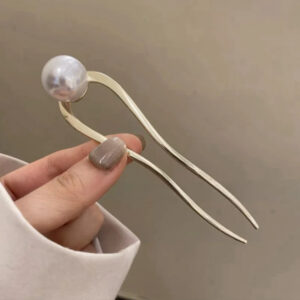
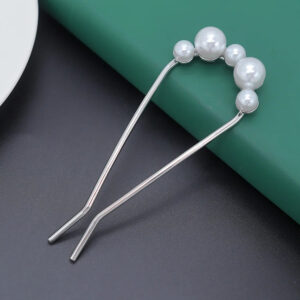
A completely smooth polished stick may slide more easily. Slightly textured wood, carved details, or a natural finish can provide additional grip.
Consider shorter hair sticks
Long hair sticks are attractive, but they are not always practical for fine hair. A shorter stick often creates better balance because there is less weight extending outside the bun.
Twisting Techniques That Work Better for Slippery Hair
The twisting method is often more important than the accessory itself. Many beginners simply wrap hair into a loose bun and push the stick through. This usually fails because there is no internal tension.
The twisted loop method
Start by gathering your hair into a low ponytail position. Twist the hair firmly while keeping the base controlled. As the twist becomes tighter, wrap it around itself to create a compact bun.
Insert the hair stick through the bun first, then rotate it so the stick catches the inner layers of hair. The stick should not only pass through the outside surface. It needs to anchor into the structure underneath.
The partial twist method
For very fine hair, a smaller hairstyle is often more secure. Instead of using all your hair, try a half-up style or a smaller twisted section. Less weight means less downward pressure.
Add hidden support
Many people who wear traditional hair accessories do not rely on the hair stick alone. Small bobby pins can create the foundation, while the hair stick provides decoration and additional support.
Common Beginner Mistakes and How to Fix Them
Mistake 1: Using a hair stick on freshly washed hair
Very clean hair often has too little friction. If the hairstyle keeps falling apart, try styling on second-day hair or adding light texture before creating the bun.
Mistake 2: Choosing a heavy decorative stick
A beautiful accessory can still be unsuitable for your hair type. Start with lightweight wooden sticks before moving to larger designs.
Mistake 3: Making the bun too loose
A loose bun creates a weak foundation. Fine hair usually needs a compact twist with controlled tension.
Mistake 4: Pushing the stick straight down
A vertical insertion often allows the stick to slide out. A better method is inserting diagonally, catching more layers, then rotating the stick into position.
Mistake 5: Expecting all-day hold immediately
Hair stick styling is a skill. The first attempts may not feel secure because you are learning how much tension and placement your hair requires.
A Realistic Approach for Fine Hair Beginners
People with fine slippery hair can absolutely enjoy Chinese hair sticks and traditional hair pin styles, but the process may require adaptation. The most reliable approach is starting with simple hairstyles rather than complex historical updos.
A small twisted bun, a half-up style, or a supported hairstyle with hidden pins is usually easier than a large traditional arrangement.
Over time, you will learn how your hair responds. Some people need more texture, some need smaller accessories, and others find that a slightly loose hairstyle actually stays better than a very tight one.
Final Thoughts
Using hair sticks in fine slippery hair is not about fighting your natural hair texture. It is about creating the right conditions for the accessory to work.
With better preparation, lighter hair sticks, secure twisting techniques, and realistic expectations, even smooth fine hair can hold elegant hairstyles comfortably. The goal is not perfection on the first try, but finding a method that matches your own hair.