Choosing a hair stick looks simple at first. A long decorative stick goes through a bun, and the hairstyle stays in place. However, people with fine or thin hair often discover that not every hair stick works well.
A hair stick that feels comfortable in thick hair may slide out of fine hair. A heavy decorative design may pull on delicate strands. A stick that is too smooth, too thick, or too long may make a small bun feel unstable.
The best hair stick for fine thin hair is usually not the largest or most decorative option. It is the one that balances weight, grip, length, thickness, and design with your hair volume and hairstyle.
This guide explains what to look for before buying a hair stick, including material differences, sizing advice, and beginner-friendly choices.
Why Fine Thin Hair Needs a Different Hair Stick
Fine hair does not always mean there is less hair, but the individual strands are usually smaller in diameter. This changes how accessories interact with the hairstyle.
A traditional hair stick works by creating tension inside a bun or twist. The stick passes through different sections of hair and locks the style together. If the stick is too heavy, the hairstyle may loosen because the hair cannot provide enough support.
For fine and thin hair, important factors include:
- lightweight construction;
- enough surface friction;
- a suitable diameter;
- a smooth but not slippery finish;
- a balanced decorative top.
Many beginners make the mistake of choosing a large statement hair stick because it looks beautiful in photos. In everyday use, a smaller and lighter design often performs better.
1. Choose the Correct Hair Stick Length
Length is one of the most important buying decisions.
A hair stick should be long enough to secure your hairstyle but not so long that it becomes difficult to control.
Short Hair Sticks (Approximately 10–15 cm)
Shorter sticks are often suitable for:
- small buns;
- half-up hairstyles;
- shorter hair;
- fine hair with low volume.
Advantages:
- lightweight;
- easier for beginners;
- less pulling on the hairstyle;
- comfortable for daily wear.
For someone with fine thin hair, a shorter stick is often easier to learn with.
Medium Hair Sticks (Approximately 15–18 cm)
This is the most versatile range for many users.
Suitable for:
- classic Chinese-inspired buns;
- twisted updos;
- everyday hairstyles;
- medium-length hair.
A medium stick gives enough insertion depth without excessive weight.
Long Hair Sticks (18 cm and above)
Long sticks are usually designed for:
- long hair;
- larger buns;
- more elaborate hairstyles.
They can work with fine hair if the bun is large enough, but beginners may find them harder to balance.
A long decorative topper can create additional weight, which may cause slipping.
2. Consider Thickness: Thin Does Not Always Mean Better
Hair stick thickness affects both comfort and stability.
A very thin stick may look elegant, but it may not provide enough support for certain hairstyles. It can also bend more easily depending on the material.
A thicker stick provides:
- more structural support;
- easier handling;
- better control during insertion.
However, extremely thick sticks may be difficult for fine hair because they require more hair volume.
For fine thin hair, a medium or slightly slim design is usually the safest choice.
Look for:
- a tapered tip;
- a moderate shaft diameter;
- a smooth transition from tip to body.
The tip should enter the hairstyle easily without forcing through the hair.
3. Material Comparison: Wooden vs Metal vs Decorative Hair Sticks
Different materials create different wearing experiences.
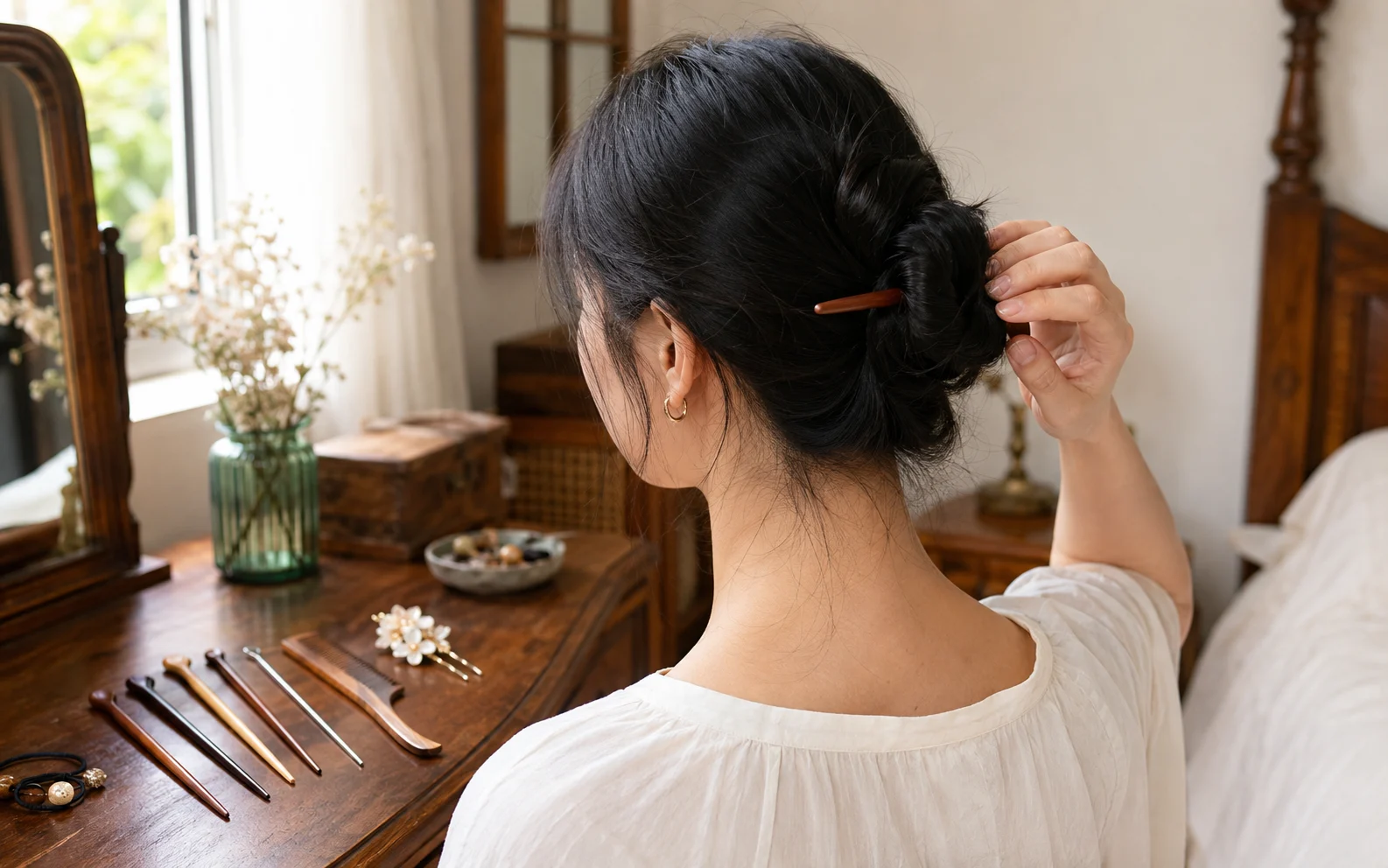
Wooden Hair Sticks
Wood is often one of the best choices for fine hair.
Advantages:
- lightweight;
- natural texture;
- comfortable for long wear;
- less slippery than polished metal.
Many beginners prefer wooden hair sticks because they are forgiving. The surface usually provides enough friction to help hold a hairstyle.
Good choices include:
- bamboo;
- sandalwood;
- other lightweight hardwoods.
Wooden designs are especially suitable for:
- everyday buns;
- office hairstyles;
- beginners learning hair stick techniques.
Potential disadvantages:
- some very smooth finishes may still slide;
- lower-quality wood may break more easily.
A well-made wooden hair stick with balanced weight is often a practical first choice.
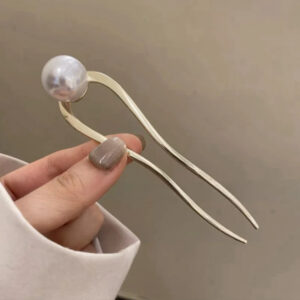
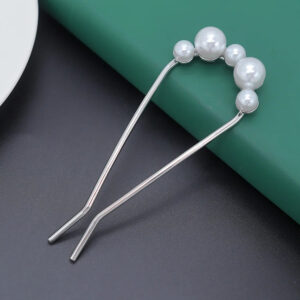
Metal Hair Sticks
Metal hair sticks are popular because they can create elegant, jewelry-like hairstyles.
Advantages:
- durable;
- often thinner;
- suitable for formal occasions;
- many decorative designs available.
However, metal is usually heavier than wood.
For fine thin hair, consider:
- lightweight aluminum or thin metal designs;
- smaller decorative tops;
- shorter lengths.
Heavy metal hair sticks with large ornaments may look impressive but can create uncomfortable tension.
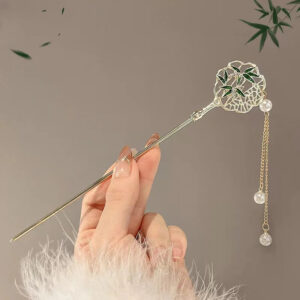
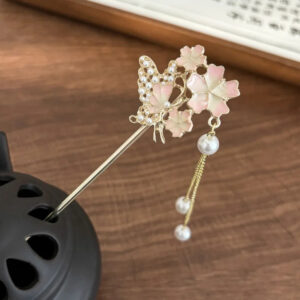
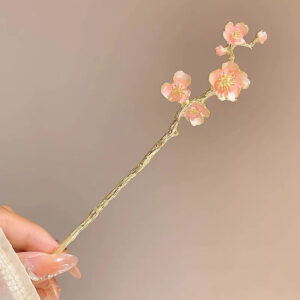
Decorative Hair Sticks
Decorative hair sticks often include:
- flowers;
- beads;
- crystals;
- carved ornaments;
- traditional Chinese-inspired designs.
They can transform a simple bun into a statement hairstyle.
However, decoration adds weight.
When buying a decorative hair stick for fine hair, check:
- Is the ornament lightweight?
- Is the decoration centered?
- Does the top pull backward?
- Is the stick balanced?
A beautiful design is not useful if it constantly falls out.
Traditional hair sticks and hairpins have long been used both as functional hairstyle tools and decorative accessories, with designs ranging from simple sticks to highly ornamental pieces.
4. Weight Matters More Than Appearance
For fine thin hair, weight is one of the biggest factors.
A heavy hair stick creates downward force. Over time, this can make a hairstyle uncomfortable.
A lightweight hair stick usually provides:
- better comfort;
- easier daily use;
- less stress on the hairstyle;
- easier learning for beginners.
When comparing two similar designs, choose the lighter one unless your hair volume can support more weight.
A small wooden hair stick may hold better than a large metal one simply because it matches the hair structure.
5. Look for Features That Help Fine Hair Stay Secure
Fine hair benefits from practical design details.
Slightly Textured Surface
A completely polished surface can be slippery.
A natural wood texture or subtle finish can improve stability.
Tapered Tip
A tapered end helps:
- easier insertion;
- less pulling;
- cleaner hairstyle creation.
Balanced Shape
The decorative end should not be much heavier than the stick.
An unbalanced hair stick may rotate or slide.
Smooth Edges
Avoid rough surfaces or sharp edges that can catch and damage delicate strands.
6. Beginner Recommendations for Fine Thin Hair
If you are buying your first hair stick, start simple.
A beginner-friendly choice usually has:
- medium length;
- lightweight wood construction;
- moderate thickness;
- minimal decoration;
- smooth tapered tip.
A good first hair stick is not necessarily the most expensive or elaborate design.
The goal is to learn:
- how much hair tension you need;
- how tightly to twist your bun;
- which insertion angle works best.
Once you understand your hair type, you can explore larger decorative Chinese hair pins and more detailed designs.
7. Common Buying Mistakes
Choosing Based Only on Appearance
A large traditional hair stick may look beautiful but may not suit fine hair.
Function should come before decoration.
Buying Too Heavy
Heavy accessories often create slipping problems.
Choosing Too Long
Extra length does not always mean better holding power.
Ignoring Hair Volume
A hair stick designed for thick hair may not work well for fine hair.
Final Buying Advice: What Is the Best Hair Stick for Fine Thin Hair?
For most people with fine and thin hair, the best starting point is:
- a lightweight wooden hair stick;
- medium length;
- moderate thickness;
- simple balanced design;
- smooth tapered tip.
Wood provides a comfortable combination of light weight and control, while metal and highly decorative styles are better chosen based on occasion and hairstyle strength.
The right hair stick should feel almost invisible when worn. It should support your hairstyle without pulling, slipping, or creating unnecessary weight.
Instead of choosing the biggest or most decorative option, choose the hair stick that matches your hair volume and your daily styling needs.