Introduction: More Than an Ornament
A carved hair pin, a floral comb, a dangling ornament — at first glance, these might seem like small decorative objects. But in Chinese dress history, hair accessories carried real weight. They connected to age, social standing, ceremony, and ideas of refinement that went far beyond decoration.
For beginners, the world of Chinese hair accessories can feel a little overwhelming. There are many forms: zan hair pins, ji hair sticks, chai hairpins, buyao dangling ornaments, combs, floral pieces, jade pins, silver pins, and phoenix-inspired designs. Some were worn every day; others appeared at weddings, formal occasions, or in opera-inspired styling.
This guide covers the cultural background of vintage Chinese hair accessories in a clear, accessible way — treating them not as exotic curiosities, but as part of a long tradition of hairstyling, craftsmanship, and symbolic beauty.
What Are Vintage Chinese Hair Accessories?
Vintage Chinese hair accessories generally refers to traditional or historically inspired ornaments used to arrange, secure, or decorate the hair. This category includes hair pins, hair sticks, combs, tassel ornaments, floral pieces, and more elaborate head decorations.
In Chinese material culture, these ornaments were made from a wide range of materials: jade, gold, silver, bronze, wood, bamboo, bone, tortoiseshell, kingfisher feather inlay, pearls, coral, and glass. Museum collections show examples spanning several periods — Tang dynasty gold ornaments, Qing dynasty butterfly pieces, and later silver or kingfisher-feather accessories.
The word “vintage” is used loosely in modern fashion. In the context of Chinese hair accessories, it may refer to actual antique items, reproduction pieces inspired by historical styles, or modern designs influenced by Hanfu styling, Qing dynasty jewelry, classical Chinese painting, opera costumes, or traditional bridal aesthetics.
A Short History of Chinese Hair Pins and Hair Ornaments
Early Hair Pins: Practical Objects With Social Meaning
The earliest Chinese hair pins were practical tools — they held long hair in place. Over time, they became something more. A hair pin could signal maturity, social position, or ceremonial occasion. This dual role, both functional and symbolic, is part of why Chinese hair accessories remain so culturally interesting today.
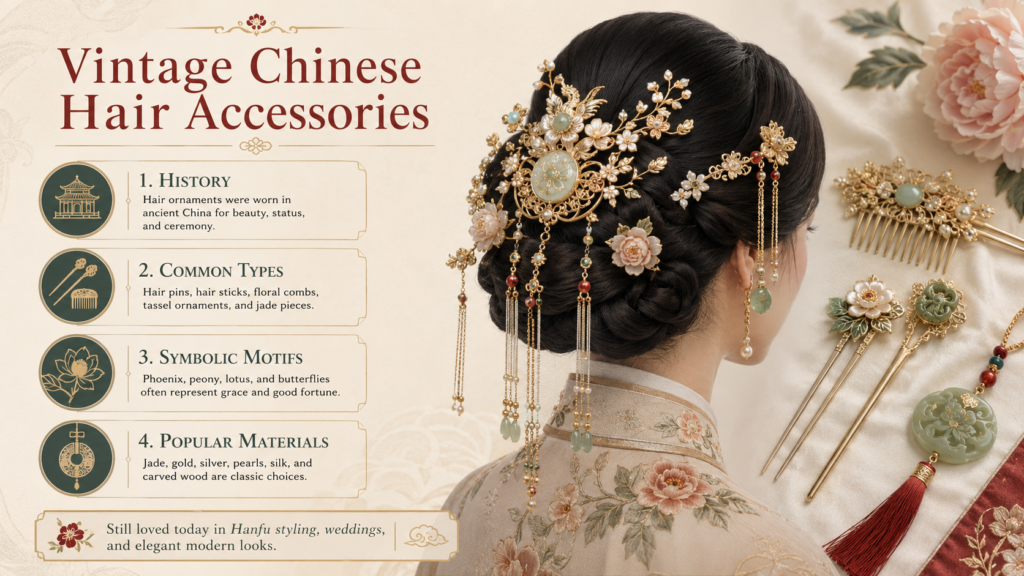
The tradition goes back a long way. Some accounts trace early hair sticks to Neolithic cultures, including the Hemudu culture, where pins were made from bone, horn, stone, and jade. As metalworking, jade carving, and decorative arts developed, hair accessories became increasingly refined.
The Hairpin Ceremony and Coming of Age
One of the most significant cultural associations with the hair pin is the traditional coming-of-age ceremony for young women, often called the ji li, or hairpin ceremony. In historical Han Chinese custom, a girl’s hair would be arranged and secured with a hairpin to mark her transition into adulthood.
The meaning was not decorative in the shallow sense. Hair arrangement reflected social identity. Wearing the hair up with a pin suggested maturity, readiness for adult responsibilities, and — in some historical contexts — eligibility for marriage.
The hairpin ceremony is not part of everyday life for most people today, but its symbolism still gives traditional hair pins a deeper cultural resonance.
Han, Tang, Song, Ming, and Qing Developments
Hair accessories changed considerably across dynasties, reflecting shifts in hairstyles, available materials, and aesthetic taste.
During the Han period, the zan hairpin was one of the principal ornaments used in women’s hair, sometimes fitted with attached elements that moved gently as the wearer walked. According to the Pitt Rivers Museum, hair ornaments became more crown-like during the Tang period and developed into wider, diadem-like forms in later dynasties.
The Tang dynasty is especially associated with luxury and elaborate beauty culture. The Metropolitan Museum of Art holds an 8th-century Tang hair ornament in gold and turquoise, described as an example of Tang filigree work.
By the Ming and Qing dynasties, hair accessories had often become highly detailed. Designs featured flowers, butterflies, phoenixes, auspicious characters, and fine dangling elements. Qing dynasty ornaments — particularly those using kingfisher feather inlay — are especially recognizable for their vivid blue color and intricate craftsmanship.
Main Types of Vintage Chinese Hair Accessories
Zan Hair Pins
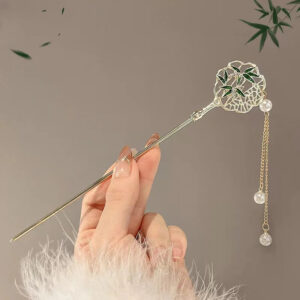
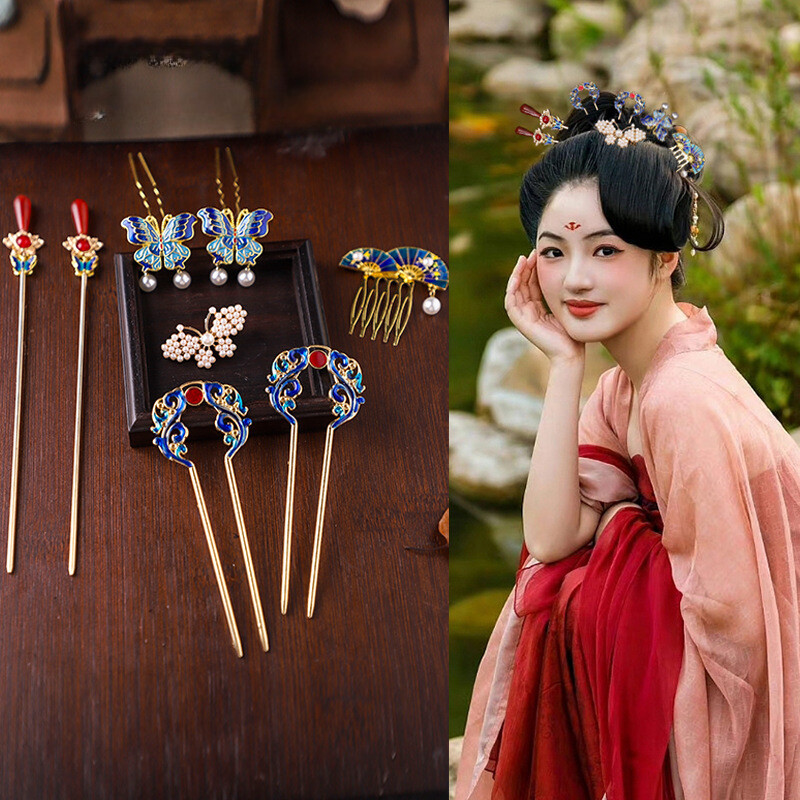
A zan is one of the most familiar forms of Chinese hair accessory: a single-prong pin used to secure a bun or add decoration to a hairstyle. Vintage-style zan pins range from slim and understated — a small decorative head, clean lines — to more elaborate versions with carved flowers, birds, gemstones, or metalwork.
A jade zan tends to feel restrained and scholarly. A gold or silver floral zan reads as more festive. Either way, the beauty of this form lies in its balance: it holds the hair, but it also creates a visual line that completes the look.
Chai Hairpins
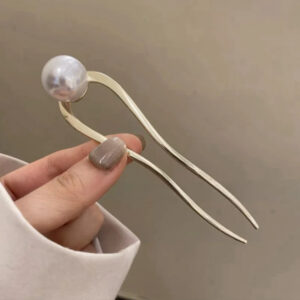
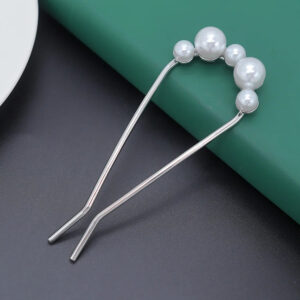
A chai usually refers to a two-pronged hairpin. Compared to a single zan, it can feel more stable and decorative, making it a practical choice for structured hairstyles, bridal buns, Hanfu looks, and photography styling.
Buyao Dangling Hair Ornaments
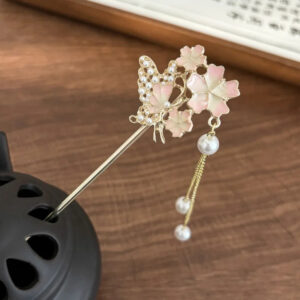
The buyao is one of the most distinctive Chinese hair ornaments. Its name relates to movement: the suspended elements sway as the wearer walks. The MIHO Museum describes buyao ornaments as featuring precious stones, bird and floral forms, and suspended decorations attached to an elaborate hairpin structure.
A buyao can include chains, beads, pearls, metal leaves, small flowers, or butterfly forms. The movement is part of the design — it gives the ornament a kind of quiet life without needing exaggeration.
For modern wearers, buyao pieces are popular for Hanfu photoshoots, wedding styling, cultural events, and formal occasions.
Hair Combs
Combs are another significant category of Chinese hair accessories, ranging from functional to almost purely decorative. Vintage-style Chinese combs may feature carved wood, lacquered finishes, floral motifs, or metal ornament panels.
A comb can sit at the back or side of a bun, adding structure and visual richness. Compared to long hair sticks, combs tend to feel softer and more compact — well suited to half-up hairstyles or low buns.
Floral Hair Accessories
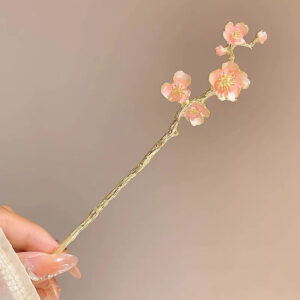
Flowers are among the most common motifs in Chinese hair ornament design. Peony, lotus, plum blossom, chrysanthemum, and orchid designs all carry cultural associations.
A peony often suggests wealth, grace, and feminine beauty. Plum blossom can suggest resilience and elegance in cold seasons. Lotus is frequently associated with purity and refinement. Chrysanthemum can evoke longevity, autumn, and quiet dignity. That said, not every floral accessory carries a fixed meaning — symbolism varies by context. Still, floral motifs remain central to the visual language of traditional Chinese beauty.
Phoenix Hair Accessories
The phoenix, or fenghuang, is one of the most important bird motifs in Chinese decorative culture. In hair accessories, phoenix forms are often associated with nobility, auspiciousness, marriage, and feminine grace.
Phoenix-inspired hairpins are especially common in bridal styling and formal Hanfu looks. A phoenix ornament may include wings, tail feathers, dangling beads, or cloud-like metalwork — bold in presence, but ideally still elegant rather than theatrical.
Jade Hair Accessories
Jade carries deep significance in Chinese culture. It’s associated with refinement, moral beauty, durability, and cultivated taste — and jade hair pins tend to reflect that: quieter than gold, understated rather than flashy.
A vintage jade hair accessory may be carved with flowers, leaves, clouds, dragons, or simple geometric forms. Pale green, white, celadon, and darker green tones are all common. For beginners, jade-style accessories are often a good starting point because they pair naturally with both traditional and modern clothing.
Symbolism in Vintage Chinese Hair Accessories
Beauty and Refinement
Traditional Chinese hair accessories often express beauty through detail rather than volume. A small carved flower, a balanced curve, a carefully placed tassel — these create a sense of refinement that comes from proportion and craftsmanship, not from being visually loud.
Status and Occasion
Historically, materials and craftsmanship could indicate social standing. Gold, jade, pearls, kingfisher feather, and complex metalwork were more costly than simple wood, bone, or bamboo. Elaborate ornaments were more likely to appear in formal or elite contexts.
In modern styling, this distinction can help guide choices. A simple wooden or jade-style pin suits everyday elegance. A phoenix buyao or ornate floral set is better suited to weddings, Hanfu photography, or special events.
Love, Marriage, and Separation
Hair pins also appear in romantic customs and literature. In some traditions, a hairpin could function as a love token. The image of a broken hairpin has long been associated with separation, memory, and the hope of reunion.
This symbolism deserves care in interpretation. It doesn’t mean every hairpin is automatically romantic. But in poetry, drama, and traditional storytelling, hair ornaments often become meaningful objects precisely because they’re close to the body and connected with personal identity.
Auspicious Motifs
Many vintage Chinese hair accessories draw on auspicious imagery. Common motifs include:
- Phoenix — grace, prosperity, and bridal beauty
- Peony — wealth and feminine elegance
- Lotus — purity and refinement
- Butterfly — joy, romance, and delicacy
- Plum blossom — resilience and renewal
- Cloud patterns — harmony and good fortune
- Shou character — longevity
These associations aren’t rigid rules. They’re cultural shorthand that helps explain why certain designs appear again and again across centuries.
Materials and Craftsmanship
Gold and Silver
Gold hair accessories feel warm, festive, and formal. Silver offers a cooler, more understated beauty — and vintage-style silver hairpins are especially popular today because they pair well with a range of colors, including blue, white, green, black, and soft pink Hanfu outfits.
Jade and Stone
Jade and stone ornaments tend to create a quieter mood — often chosen for elegant, scholarly, or minimalist styling. A jade-style pin works well with a simple bun, a silk blouse, or a traditional robe.
Wood and Bamboo
Wood and bamboo hair sticks are practical and natural. They’re lighter and easier to wear for everyday styles, and their beauty comes from grain, shape, carving, and simplicity. For beginners, wooden hair sticks are usually the easiest type of traditional hair accessory to work with.
Kingfisher Feather Inlay
Some Qing dynasty hair ornaments used kingfisher feather inlay, known for its intensely vivid blue color. Museum examples include butterfly and floral ornaments made with kingfisher feather, metal, and stones.
Because historical kingfisher-feather work involved real bird feathers, modern buyers should approach this style thoughtfully. Contemporary reproductions should use responsible alternatives rather than materials that harm wildlife.
How Vintage Chinese Hair Accessories Are Worn Today
With Hanfu
The growing interest in Hanfu has brought renewed attention to traditional Chinese hair accessories. A Ming-style or Tang-inspired outfit can be completed with hair pins, tassels, floral ornaments, or combs.
The key is proportion. If the clothing is elaborate, the hair accessories can afford to be more restrained. If the outfit is simple, a single statement hairpin can create a graceful focal point.
With Modern Clothing
These accessories don’t need to be limited to traditional dress. A jade hair stick works with a linen dress. A silver floral pin softens a modern low bun. A small comb adds detail to a minimalist outfit.
For everyday use, look for pieces with clean lines, comfortable weight, and secure fastening.
For Weddings and Formal Events
Bridal styling often draws on phoenix, flower, pearl, or tassel designs. These pieces can create a ceremonial feeling without overwhelming the face or the overall look.
For weddings, it’s worth matching accessories to the hairstyle, dress color, and level of formality. A heavy buyao can be stunning in photographs but may not be comfortable for extended wear unless properly secured.
Beginner Tips for Choosing Vintage Chinese Hair Accessories
Start With the Hairstyle
The right accessory depends on the hairstyle. A long hair stick works well for a bun. A comb works well at the side or back of gathered hair. A buyao needs enough structure in the hair to stay secure.
Before choosing an accessory, decide whether you want a low bun, high bun, half-up style, braided style, or formal updo.
Consider Weight and Comfort
Some ornate pieces look beautiful but are genuinely heavy. For beginners, lightweight pins, smaller combs, and medium-length hair sticks are easier to wear. A hair accessory should feel secure without pulling the scalp.
Match the Motif to the Occasion
For daily wear, simple jade, wood, silver, or floral designs are versatile. For cultural events or Hanfu photography, more decorative pieces — buyao, phoenix pins, tassel ornaments — can work well.
Avoid Overdoing It
Traditional inspiration doesn’t require exaggeration. A respectful, well-styled look usually comes from careful proportion, good materials, and restraint. Choose one main piece and let it stand out rather than layering every accessory at once.
Why Vintage Chinese Hair Accessories Still Matter
Vintage Chinese hair accessories remain meaningful because they connect personal adornment with cultural memory. A small hairpin can carry history, craft, symbolism, and individual taste all at once.
They also invite a different kind of attention. Unlike fast-fashion accessories, a well-designed hairpin asks you to notice shape, material, movement, and detail. Beauty here is quiet, practical, and deeply rooted.
For modern wearers, these pieces offer a way to appreciate Chinese aesthetics without treating tradition as something fixed or frozen. They can be worn respectfully, studied thoughtfully, and adapted with care.
FAQ
What are vintage Chinese hair accessories? Vintage Chinese hair accessories are traditional or historically inspired ornaments used to secure or decorate the hair. They include hair pins, hair sticks, combs, buyao dangling ornaments, floral pieces, jade pins, silver accessories, and phoenix designs.
What is the difference between a zan and a chai? A zan is usually a single-prong hairpin, while a chai is typically two-pronged. Both can be used to secure and decorate traditional hairstyles, though the chai often provides more stability.
What does a Chinese hairpin symbolize? Depending on the period and context, a Chinese hairpin can symbolize maturity, refinement, personal beauty, social identity, love, or ceremonial significance. Historically, hairpins were also associated with coming-of-age ceremonies.
Are Chinese hair accessories only for Hanfu? No. While they’re often worn with Hanfu, simpler pieces can easily be styled with modern clothing. A jade hair stick, wooden pin, or small floral comb can work well with contemporary outfits.
What materials are common in vintage Chinese hair accessories? Common materials include jade, gold, silver, bronze, wood, bamboo, bone, pearls, coral, glass, and various stones. Some historical Qing dynasty ornaments used kingfisher feather inlay, though modern ethical alternatives are preferable.
What hair accessory is best for beginners? A simple hair stick or medium-sized hairpin is usually the easiest starting point. It’s lighter, simpler to place, and works for everyday buns or half-up hairstyles.
What is a buyao hair ornament? A buyao is a dangling hair ornament with suspended elements that sway gently as the wearer moves. It’s typically decorated with flowers, birds, beads, pearls, or metal chains.
Can vintage Chinese hair accessories be worn for weddings? Yes. Phoenix pins, floral hairpins, pearl ornaments, and buyao pieces are popular in bridal styling. The best choice depends on the dress, hairstyle, and level of formality.
Conclusion
Vintage Chinese hair accessories are meaningful because they bring together function, artistry, and cultural depth. A hairpin holds a bun in place, but it can also suggest adulthood, elegance, craftsmanship, love, or celebration — sometimes all at once.
For beginners, the best starting point is simply to notice the forms: the clean practicality of a zan, the gentle movement of a buyao, the softness of a floral comb, the quiet restraint of jade. The history becomes easier to appreciate once the objects themselves feel familiar.
Whether worn with Hanfu, styled for a wedding, or paired with a modern outfit, vintage Chinese hair accessories offer a graceful way to connect everyday beauty with something longer-lasting.