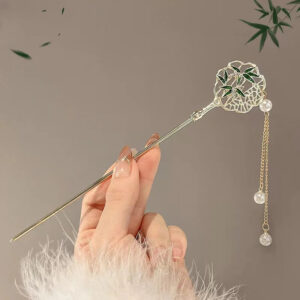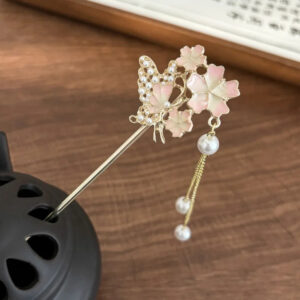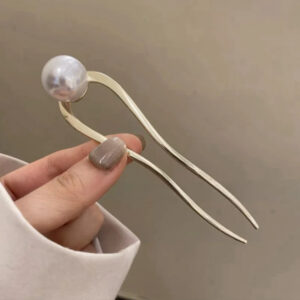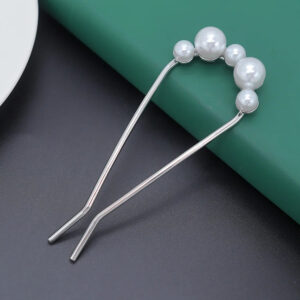
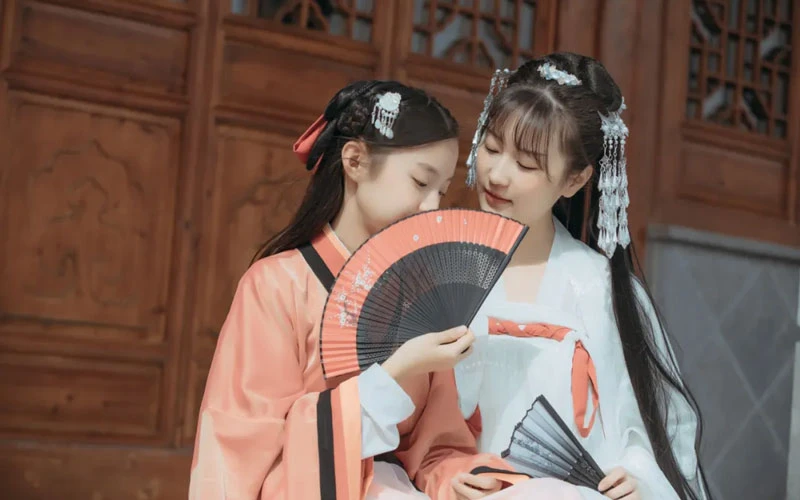
Hanfu hairstyles have a quiet kind of beauty. They are not only about arranging long hair into a bun or placing a decorative pin at the right angle. They carry traces of history, ritual, craftsmanship, and the Chinese idea that dress, hair, and personal bearing can work together to express refinement.
For beginners, hanfu hairstyles may seem difficult at first. Many images online show elaborate buns, layered hairpieces, dangling ornaments, floral pins, and carefully balanced accessories. But the heart of hanfu hair styling is much simpler: clean lines, harmony with clothing, and accessories chosen with intention.
A single hair pin can be enough.
In traditional Chinese culture, hair pins were not merely decorative objects. They helped secure the hair, but they also signaled age, social position, taste, and ceremonial meaning. Museum collections still preserve Chinese hairpins from earlier dynasties, including Ming dynasty examples made from gilt silver and pearls, showing how hair accessories belonged to the broader world of Chinese jewelry and dress culture.
This guide introduces hanfu hairstyles for beginners through a cultural lens. Instead of focusing only on tutorials, it explains why these styles matter, how Chinese hair pins became meaningful, and how modern wearers can begin with simple, respectful, and elegant looks.
What Are Hanfu Hairstyles?
Hanfu hairstyles are hair arrangements inspired by the clothing and aesthetic traditions of Han Chinese dress. “Hanfu” refers broadly to historical styles of Han Chinese clothing, especially garments inspired by periods such as the Tang, Song, and Ming dynasties. Modern hanfu culture often draws from these historical periods while adapting them for contemporary wear. Vogue has described the modern hanfu revival as a youth-led movement connected to renewed interest in Chinese cultural heritage and historical fashion.
A hanfu hairstyle usually works together with the outfit. The shape of the collar, sleeve volume, fabric weight, and overall dynasty-inspired style can influence the hair. A soft Song-inspired outfit may pair well with a low, understated bun. A more formal Ming-inspired look may suit a centered bun with a refined hairpin. A romantic Tang-inspired style may use fuller hair shapes, flowers, or more decorative ornaments.
For beginners, the goal is not historical perfection. The goal is to understand the visual language: balance, grace, proportion, and cultural respect.
Why Hair Matters in Traditional Chinese Dress Culture
In many traditional Chinese settings, hair was closely connected to ideas of order, adulthood, and propriety. Loose or disheveled hair could suggest informality, mourning, or disorder, while arranged hair reflected care and social presentation. Traditional hair accessories, especially the ji and zan, helped hold the hair in place while also becoming symbols of identity and refinement.
The Chinese hairpin has long been associated with cultural rituals and customs. It was used as an everyday hair ornament, and the material and workmanship of a hairpin could reflect social status, taste, and occasion. Hairpins were made from materials such as jade, gold, silver, bronze, bamboo, wood, bone, ivory, and other decorative substances.
This is why hanfu hairstyles are more than fashion styling. They belong to a wider system of dress, etiquette, beauty, and craftsmanship.
The Cultural Meaning of Chinese Hair Pins
The Hair Pin as a Practical Tool
At the most basic level, a Chinese hair pin holds the hair. Before elastic bands and modern clips, pins and sticks were essential tools for securing buns and formal hairstyles. A long pin could pass through a coil of hair and keep it stable throughout the day.
This practical function still matters for beginners. A simple wooden or metal hair stick can help create an easy bun, while a more decorative pin can finish the look. Many modern hanfu wearers begin with one sturdy pin rather than several delicate ornaments.
The Hair Pin as a Symbol of Adulthood
One of the most culturally important associations of hairpins is the coming-of-age tradition. Historical discussions of Chinese hair accessories often connect the ji, an early form of hairpin, with the practice of tying the hair and marking maturity. Some modern hanfu and culture-focused sources describe the use of ji in relation to a young woman’s coming-of-age ceremony, often associated with the age of fifteen in traditional accounts.
For a modern beginner, this does not mean every hairpin must carry ceremonial meaning. But it helps explain why hair accessories in Chinese culture can feel dignified and symbolic. They were not simply pretty objects. They could mark a transition in life.
The Hair Pin as Personal Adornment
Over time, hairpins became highly expressive. A plain wooden pin might suggest simplicity. A jade pin might imply elegance and restraint. A gilt silver pin with pearls could suggest wealth, celebration, or formal dress. The Metropolitan Museum of Art, for example, holds a Ming dynasty Chinese hairpin made of gilt silver and pearl, classified as jewelry.
This range of materials gives beginners a useful styling principle: choose the hairpin according to the mood of the outfit. A casual hanfu-inspired look does not need a large crown-like ornament. A small floral pin, a smooth wooden stick, or a simple metal zan may feel more natural.
A Short History of Hanfu Hair Accessories
Early Hair Pins: Ji and Zan
The ji is often described as one of the earliest and simplest Chinese hair accessories. It was usually stick-like in shape and used to secure the hair. The zan developed as a more familiar form of hairpin and became both practical and decorative.
The difference between these terms can be complex, especially because meanings shifted over time. For a beginner, the most useful distinction is this:
Ji is often discussed in relation to early hair-fastening and ritual meaning.
Zan is commonly used to describe the hairpin as a practical and ornamental accessory.
Both belong to the long history of Chinese hairstyling.
Hair Ornaments in Imperial China
By later dynasties, hair accessories could become extremely refined. Materials such as silver, gold, jade, pearls, kingfisher feather, and carved motifs appeared in formal ornaments. The Met also preserves Ming dynasty or later Chinese hair ornaments in silver, showing that these objects were part of a sophisticated jewelry tradition.
Hair accessories could communicate many things: wealth, craftsmanship, regional style, marital status, seasonal taste, or ceremonial purpose. They were also wearable art. A tiny ornament could contain floral patterns, auspicious motifs, birds, butterflies, clouds, or geometric forms.
Hanfu Revival and Modern Styling
In the modern hanfu revival, traditional hairstyles have returned in a flexible way. Some people aim for historical accuracy, carefully matching hairstyle, clothing shape, and dynasty reference. Others prefer hanfu-inspired styling that brings traditional beauty into daily life.
This gives beginners permission to start simply. You do not need to recreate a palace drama hairstyle. You can begin with a soft bun, a single hairpin, and a respectful understanding of the style’s cultural roots.
Hanfu Hairstyles for Beginners: Where to Start
Start with Simple Shapes
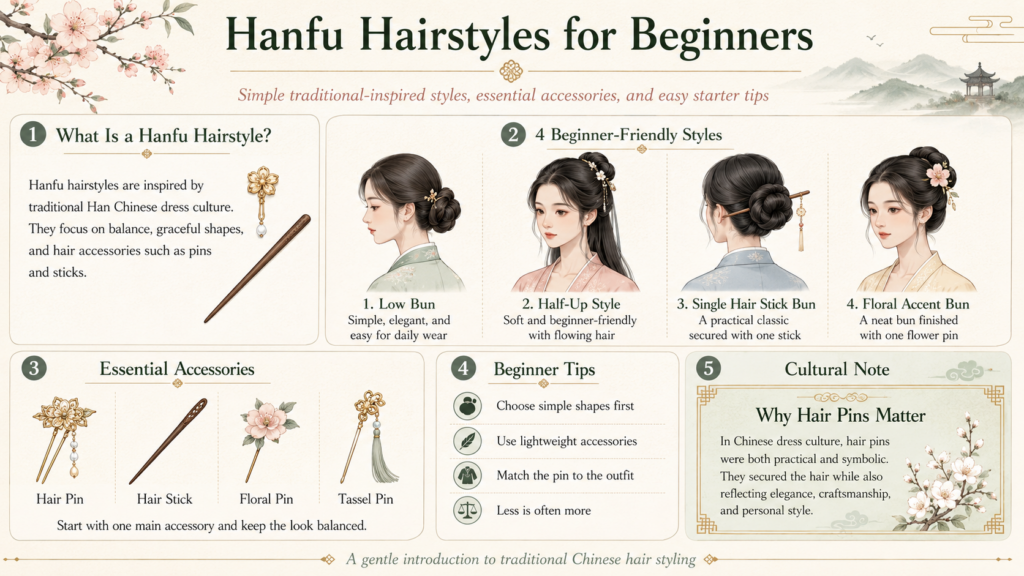
The easiest beginner hanfu hairstyles usually rely on one of three shapes:
A low bun at the back of the head
A half-up hairstyle with the upper hair pinned
A simple coiled bun secured with a hair stick
These shapes are beginner-friendly because they do not require complicated padding, wigs, or multiple ornaments. They also suit many casual hanfu outfits.
A good beginner hairstyle should feel stable, balanced, and comfortable. If the hairpin is too heavy or the bun too loose, the style will not last. Practicality is part of elegance.
Choose One Main Hair Accessory
Beginners often make the mistake of adding too many ornaments at once. Hanfu styling looks more graceful when the accessories have a clear hierarchy. Choose one main piece first: a hair stick, a floral pin, a tassel pin, or a small comb.
Then decide whether you need anything else.
For example, a simple Song-inspired outfit might look best with one wooden pin. A romantic spring outfit might suit one floral hairpin. A formal look may allow a pair of symmetrical pins, but even then, restraint is often more elegant than excess.
Match the Hairpin to the Hanfu
Think of the hairpin as part of the outfit, not an afterthought.
For light, soft-colored hanfu, choose delicate materials such as pearl-like beads, pale metal, soft flowers, or light wood.
For darker or more formal hanfu, choose deeper tones, antique-style metal, jade-inspired green, or carved designs.
For everyday hanfu-inspired outfits, choose a simple pin that feels wearable outside a photo shoot.
The best beginner look is one that feels natural, not overworked.
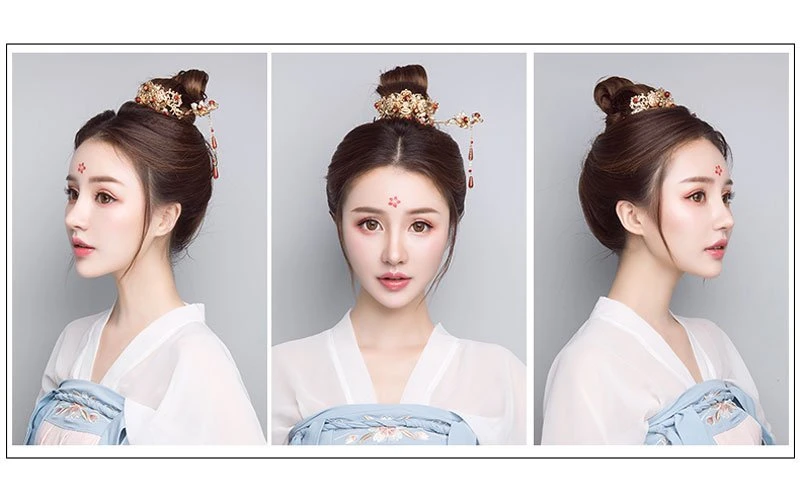
Easy Hanfu Hairstyles for Beginners
1. The Simple Low Bun
The low bun is one of the easiest hanfu hairstyles for beginners. It sits near the nape of the neck and works well with understated outfits.
To create the look, gather the hair low, twist it into a bun, and secure it with a hair stick or pin. The result is calm, modest, and elegant. This style pairs beautifully with Song-inspired hanfu, plain robes, soft shawls, or everyday traditional-inspired clothing.
Best accessories: wooden hair stick, simple metal zan, small floral pin.
Best for: beginners, casual hanfu, understated elegance.
2. The Half-Up Hanfu Style
A half-up hairstyle is ideal for people who want a romantic hanfu look without putting all the hair into a bun. The upper section of the hair is gathered and pinned, while the rest flows down naturally.
This style is popular because it feels soft and accessible. It also works well for medium-length hair.
Best accessories: small hairpin, flower clip, pearl-style pin, delicate tassel.
Best for: casual photos, spring outfits, beginner styling.
3. The Single Hair Stick Bun
This is one of the most practical beginner styles. Twist the hair into a coil, insert the hair stick through the bun, and adjust until secure. It may take a few tries, but once learned, it becomes quick and useful.
The single hair stick bun reflects the practical origin of hairpins. It shows that beauty and function can be the same thing.
Best accessories: sturdy wooden stick, smooth metal pin, simple jade-style stick.
Best for: daily wear, long hair, clean styling.
4. The Floral Accent Bun
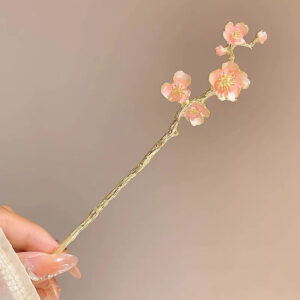
A floral accent bun adds softness without becoming too elaborate. Create a simple bun, then place one flower pin to the side. The flower should look balanced with the clothing, not too large for the hairstyle.
Floral ornaments are especially suitable for spring-themed hanfu, garden photos, or lighter fabrics.
Best accessories: plum blossom pin, lotus-inspired pin, small silk flower.
Best for: feminine styling, seasonal looks, light-colored hanfu.
5. The Tassel Hair Pin Style
Tassel hairpins add movement. They are beautiful when worn with hanfu because the tassels move gently as the wearer walks. However, beginners should choose tassels carefully. Very long or heavy tassels may pull on the hair or look too theatrical for simple outfits.
A short tassel pin placed beside a bun is usually enough.
Best accessories: short tassel hairpin, pearl tassel pin, metal chain ornament.
Best for: formal hanfu, evening looks, graceful movement.
How to Choose Chinese Hair Pins for Beginner Hanfu Styling
Material
Material changes the mood of a hairstyle. Wood feels natural and modest. Metal feels refined. Jade-inspired pins feel classical and calm. Pearls feel gentle and formal. Flowers feel seasonal and romantic.
Historically, Chinese hairpins appeared in many materials, from humble bamboo and wood to luxurious jade, silver, and gold. For modern wearers, the material does not need to be expensive. What matters is whether it suits the hairstyle, clothing, and occasion.
Size
A beginner hairpin should not be too large. Oversized ornaments can overwhelm the face and make the hairstyle unstable. For daily hanfu styling, choose a pin that is long enough to secure the bun but not so heavy that it pulls the hair down.
Weight
Weight is often more important than appearance. A beautiful metal hairpin may look perfect in photos but feel uncomfortable after an hour. Beginners should start with lightweight pieces, especially for half-up styles.
Color
The safest beginner colors are gold, silver, ivory, soft green, dark wood, and pearl tones. These colors pair well with many hanfu palettes. Bright colors can work, but they should echo a color already present in the outfit.
Motif
Traditional motifs often include flowers, leaves, clouds, birds, butterflies, and auspicious forms. You do not need to understand every symbol before wearing a piece, but it is respectful to choose motifs thoughtfully.
For example, lotus designs often suggest purity and elegance in Chinese art. Plum blossoms are associated with resilience and early spring. Floral designs generally pair well with feminine and seasonal hanfu looks.
Cultural Respect: Wearing Hanfu Hairstyles Thoughtfully
Hanfu hairstyles are beautiful, but they come from a living cultural tradition. Wearing them thoughtfully means avoiding caricature, costume-like exaggeration, or mixing random “Asian” elements without understanding.
A respectful approach includes three simple principles.
First, learn the names of the items you wear. Knowing words like hanfu, zan, ji, and buyao helps you understand the tradition more clearly.
Second, avoid treating every hairstyle as fantasy. Hanfu can be romantic and artistic, but it is also connected to real historical dress culture.
Third, match the style to the occasion. A simple hairpin may be more appropriate for daily wear, while elaborate ornaments are better suited for festivals, formal portraits, performances, or cultural events.
Respect does not mean beginners must be perfect. It means approaching the style with care.
Common Beginner Mistakes
Using Too Many Accessories
More ornaments do not always create a better hanfu hairstyle. Too many pins, flowers, tassels, and clips can make the look feel crowded. Begin with one focal accessory.
Choosing a Heavy Hairpin
A heavy hairpin may slide out or cause discomfort. Beginners should choose lightweight pieces until they understand what their hair can hold.
Ignoring Hairstyle Balance
If the bun is on one side, the accessory should balance it. If the clothing has a strong collar or large sleeves, the hair should not compete too much. Hanfu beauty often depends on proportion.
Copying Drama Hairstyles Too Literally
Television dramas can be beautiful, but they are not always historically accurate or practical. Use them as inspiration, not strict instruction.
Forgetting the Clothing
A hairstyle should match the hanfu. A delicate Song-style outfit and a dramatic palace-style headpiece may not feel harmonious together.
Suggested Beginner Styling Combinations
Everyday Hanfu-Inspired Look
Choose a low bun with a wooden hair stick. Pair it with simple hanfu-inspired clothing or a modern blouse with traditional details. This is the easiest way to bring Chinese hairpin styling into daily life.
Soft Garden Look
Choose a half-up hairstyle with a small floral pin. Pair it with pale green, cream, pink, or light blue hanfu. Keep the rest of the accessories minimal.
Classical Formal Look
Choose a centered bun with a metal or jade-inspired hairpin. Pair it with deeper colors, structured robes, or Ming-inspired clothing. Add small earrings if desired, but avoid overcrowding the hairstyle.
Elegant Photo Look
Choose a bun with one tassel hairpin placed slightly to the side. Let the tassel create movement, but keep the rest of the hairstyle smooth.
FAQ: Hanfu Hairstyles for Beginners
What is the easiest hanfu hairstyle for beginners?
The easiest hanfu hairstyle for beginners is a simple low bun secured with one hair stick or hairpin. It is stable, elegant, and works with many hanfu outfits.
Do I need very long hair to wear hanfu hairstyles?
No. Long hair makes some styles easier, but medium-length hair can work well for half-up styles, small buns, or styles supported with discreet clips. Short hair can also be styled with decorative pins or small side ornaments.
What kind of hairpin should beginners buy first?
A lightweight wooden or metal hair stick is a good first choice. It should be sturdy enough to secure the hair and simple enough to match different outfits.
Are Chinese hair sticks the same as chopsticks?
No. Hair sticks and chopsticks may look similar in shape, but they are different objects. Hair sticks are made for styling and wearing in the hair. Chopsticks are eating utensils and should not be treated as traditional hair accessories.
Can I wear hanfu hairpins with modern clothing?
Yes. Many people wear Chinese hairpins with modern dresses, blouses, or simple outfits. The key is to keep the styling balanced and respectful.
What is the difference between ji and zan?
Ji is often discussed as an early form of Chinese hairpin, with strong associations with hair-fastening and coming-of-age traditions. Zan is commonly used for the decorative and practical hairpin that secures a bun or completes a hairstyle.
Are tassel hairpins suitable for beginners?
Yes, but beginners should choose short, lightweight tassel hairpins. Long or heavy tassels can pull on the hair and may be harder to balance.
How many hair accessories should I use?
For beginners, one main accessory is enough. Once you become more comfortable, you can add smaller supporting pieces, but the hairstyle should still feel balanced.
Are hanfu hairstyles historically accurate?
Some are, and some are modern interpretations. Many contemporary hanfu hairstyles are inspired by historical dress but adapted for comfort, photography, and daily wear.
How do I make my hanfu hairstyle look elegant rather than costume-like?
Keep the shape clean, use fewer accessories, choose colors that match the clothing, and avoid oversized ornaments unless the occasion calls for a dramatic look.
Conclusion
Hanfu hairstyles for beginners do not need to be complicated. A low bun, a half-up style, or a single hair stick bun can already express the quiet grace of traditional Chinese beauty. What matters most is not the number of accessories, but the harmony between hair, clothing, material, and meaning.
Chinese hair pins have a long cultural history. They were practical tools, personal ornaments, markers of maturity, and examples of fine craftsmanship. From simple ji and zan forms to ornate Ming dynasty jewelry preserved in museum collections, hair accessories have always belonged to the larger story of Chinese dress culture.
For modern beginners, wearing a hanfu hairstyle can be a gentle way to connect with that story. Start simply. Choose one beautiful pin. Learn the meaning behind it. Let the hairstyle feel calm, balanced, and intentional.
That is where traditional elegance begins.