When people picture a traditional Chinese wedding, the dress often comes to mind first. But the hair ornaments are just as important. In fact, Chinese bridal hair accessories are often what complete the entire look. They bring together elegance, symbolism, and that quiet sense of ceremony that makes Chinese bridal styling so memorable.
Some pieces feel majestic and formal, like the phoenix crown. Others are more delicate, such as a swaying buyao or a refined hairpin set with flowers, jade, or crystal. What makes them especially beautiful is that they are never only decorative. They also carry history, status, blessing, and cultural meaning.
If you are exploring traditional wedding styling, planning a Chinese-inspired bridal look, or simply curious about classical Chinese beauty, this guide will walk you through the most iconic bridal hair ornaments and how they evolved over time.
What Are Chinese Bridal Hair Accessories?
Chinese bridal hair accessories are decorative pieces worn by brides to secure and adorn the hair during wedding ceremonies. In traditional Chinese culture, bridal headpieces were often designed to express dignity, grace, prosperity, and family honor.
Depending on the era, region, and social rank, these accessories could be simple and understated or richly elaborate. Common traditional bridal hair ornaments include:
- Phoenix crowns
- Phoenix hairpins
- Buyao (dangling hair ornaments)
- Chinese bridal hair sticks
- Floral hairpins
- Jade, glass, gold, and silver ornaments
Today, many brides choose styles that blend classical Chinese elements with modern design. That mix of old and new is part of what makes these pieces so appealing.
Why Chinese Bridal Hair Accessories Matter in Traditional Weddings
In a traditional Chinese wedding, beauty was never just about appearance. Every detail carried meaning. Hair accessories helped shape the bride’s image as elegant, composed, and auspicious.
The layered design of many traditional ornaments, especially those with tassels or curtain-like strands, reflects a restrained and graceful kind of beauty. Instead of being loud, the effect is often refined and poised. Even highly decorative pieces still feel balanced when worn with the right hairstyle and wedding dress.
That is one reason these ornaments continue to resonate today. They do more than decorate the hair. They create atmosphere.
The Most Iconic Types of Chinese Bridal Hair Accessories
1. Phoenix Crown (Fengguan)
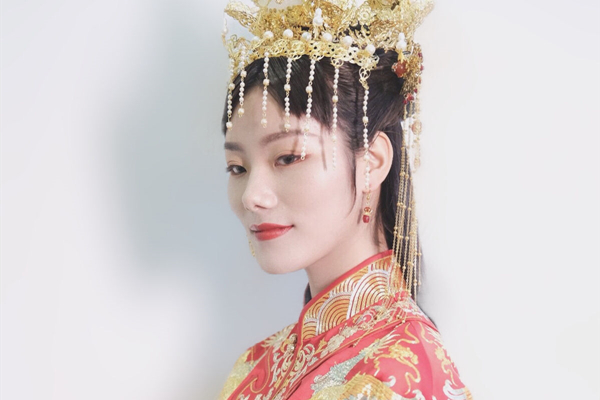
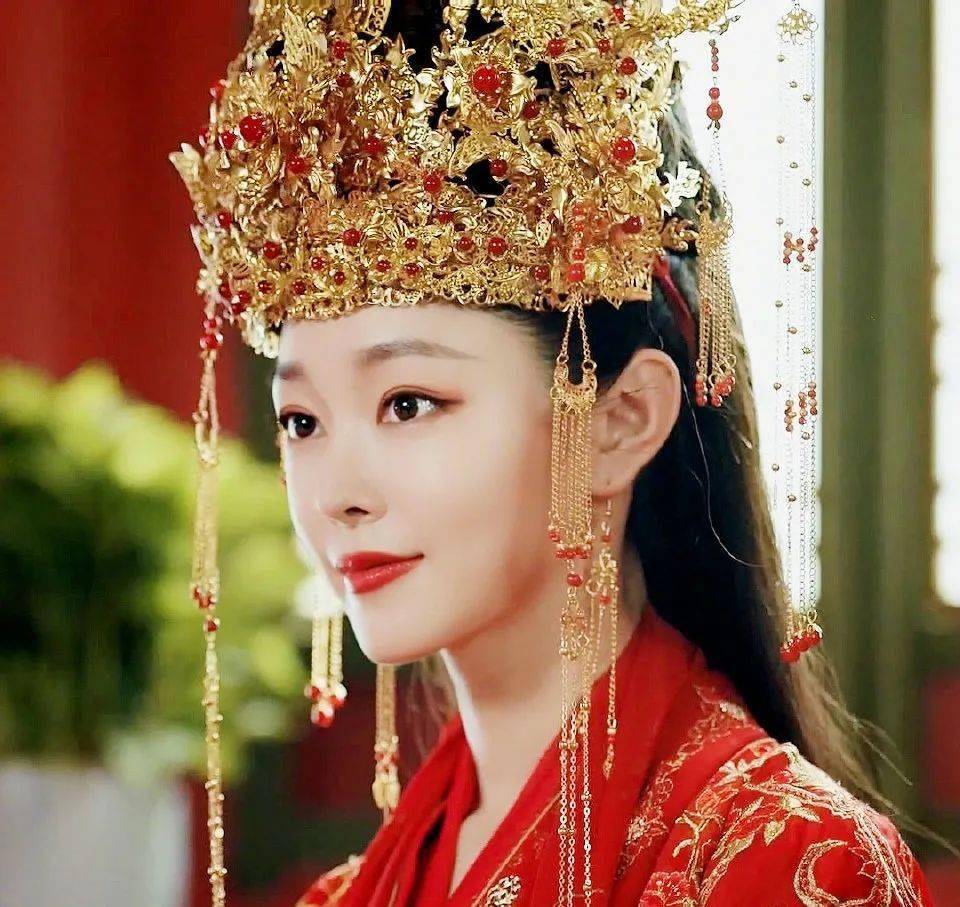
Among all Chinese bridal hair accessories, the phoenix crown is probably the most recognizable.
In historical Chinese weddings, brides were often described as wearing a phoenix crown and red ceremonial robes, a pairing that symbolized formality, honor, and celebration. The crown itself usually featured ornate metalwork, phoenix motifs, beads, tassels, and sometimes gemstone-like embellishments. The overall effect was regal and highly ceremonial.
The phoenix has long been associated with auspiciousness, feminine virtue, and noble beauty. That is why the phoenix crown became such an enduring symbol of traditional Chinese bridal fashion.
Today, modern versions may use rhinestones, pearls, or lighter materials, but the visual language remains the same: rich, dignified, and unmistakably bridal.
Best for:Brides who want a grand, formal, and clearly traditional Chinese wedding look.
2. Phoenix Hairpin (Fengtou Chai)
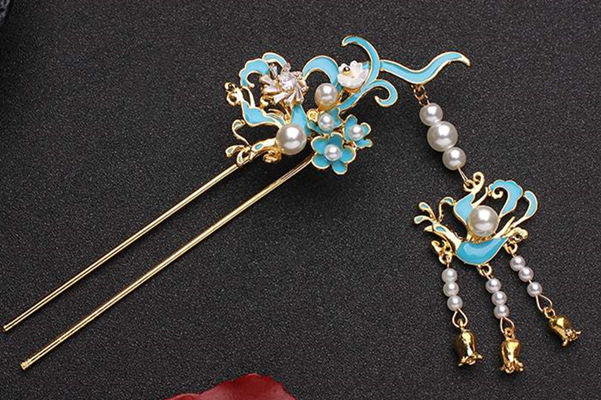
The phoenix hairpin is another classic bridal ornament with strong historical roots. Unlike a full crown, this piece is smaller and more focused, but it can still make a striking statement.
Traditionally, phoenix hairpins were inserted into the bridal hairstyle as both a decorative and symbolic element. Their shape and detailing often reflected elegance and status, and they paired beautifully with structured updos.
A phoenix hairpin works especially well for brides who want a refined traditional look without the visual weight of a full crown. It still carries that same sense of classical Chinese bridal beauty, just in a more restrained way.
Best for:
Brides who want symbolic traditional styling in a lighter, more wearable form.
3. Buyao: The Swaying Beauty of Chinese Bridal Hair Accessories
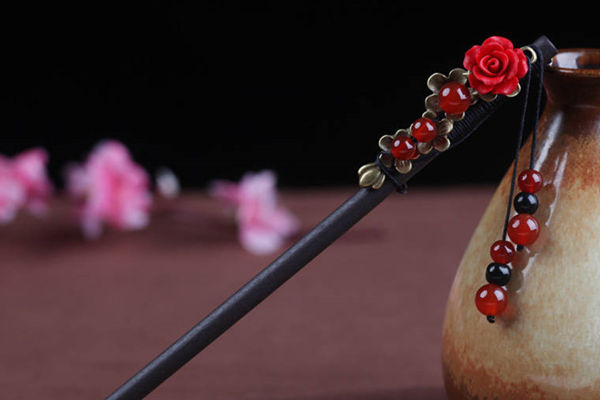
If you love movement in bridal styling, buyao may be the most enchanting choice.
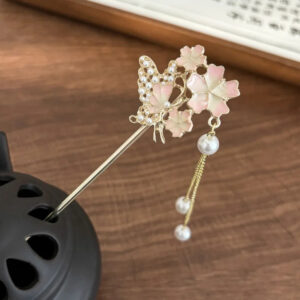
A buyao is a traditional Chinese hair ornament with hanging tassels or pendants that move gently as the wearer walks. The name itself is associated with this swaying motion. In the past, buyao was often linked to noble or high-ranking women, which gave it an added sense of refinement and prestige.
In bridal styling, a buyao adds softness and rhythm to the overall look. It is especially beautiful in profile, where the dangling details can catch the light and frame the face.
Modern bridal versions often include gold-toned metal, pearls, crystals, or floral details, making them a popular choice for brides who want something graceful and visually dynamic.
Best for:
Brides who want a romantic, elegant, and slightly more delicate traditional effect.
4. Chinese Bridal Hair Sticks and Hairpins
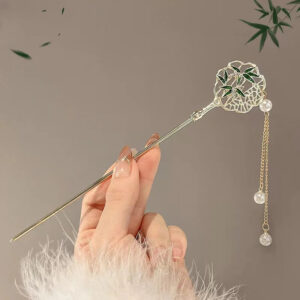
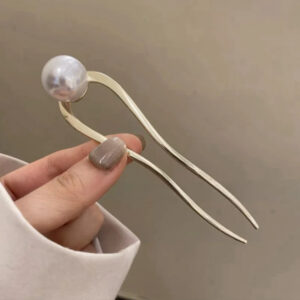
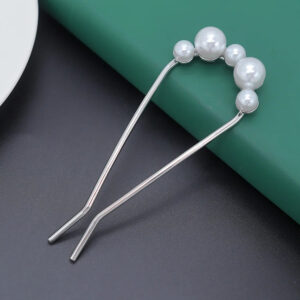
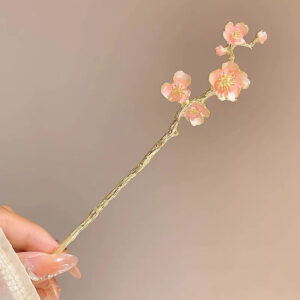
Hair sticks and hairpins are among the most versatile Chinese bridal hair accessories. They can be simple or elaborate, classical or modern, and they work well in many different hairstyles.
Traditional Chinese hairpins were made from a range of materials, including wood, jade, glass, and precious metals. In bridal styling, they often featured auspicious motifs or rich red and gold tones to suit the celebratory mood of the wedding day.
Some designs combine dark wood with bright flowers for a dramatic contrast. Others use glass and jade for a look that feels both graceful and quietly luxurious. A well-made Chinese bridal hairpin can feel high-status without being overly showy.
Best for:
Brides who prefer elegant detail and flexibility rather than a large statement headpiece.
5. Floral Chinese Bridal Hair Accessories
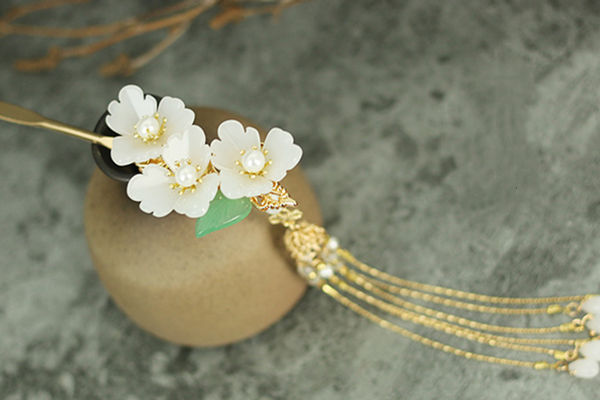
Floral elements are often used in Chinese bridal accessories, especially in modern interpretations. Red flowers, in particular, bring warmth, joy, and festive energy to the bridal look.
When paired with classic materials like black sandalwood or gold-toned metal, floral hair ornaments create a lovely balance between softness and structure. They can make the hairstyle feel more vivid and approachable while still keeping a traditional Chinese character.
These are a strong option for brides who want a style inspired by classical Chinese weddings but with a more contemporary, romantic finish.
Best for:
Brides who want a softer look that combines tradition with modern bridal fashion.
How Chinese Bridal Hair Accessories Changed Across Dynasties
The history of Chinese bridal hair accessories is not one single style. It changed over time along with clothing, ceremony, and ideas of beauty.
Pre-Qin Period: Simple and Solemn
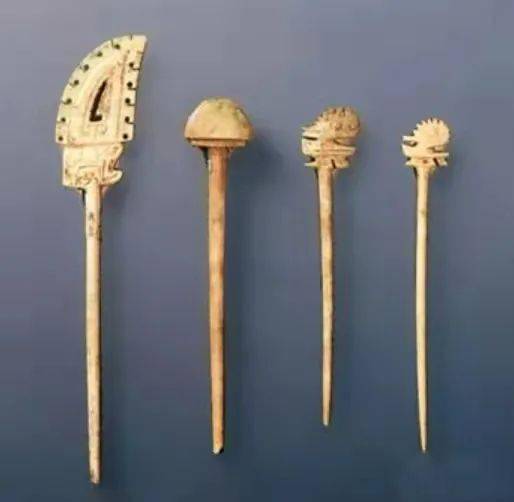
Although modern Chinese weddings are often associated with bright red, earlier weddings were more restrained. During the Pre-Qin period, bridal dress was typically solemn and modest. Women wore darker silk garments and used simple hair-fixing ornaments such as the ji, an early form of hairpin.
This was a time when bridal accessories emphasized order and ritual more than display.
Qin and Han Dynasties: Growing Variety and Luxury
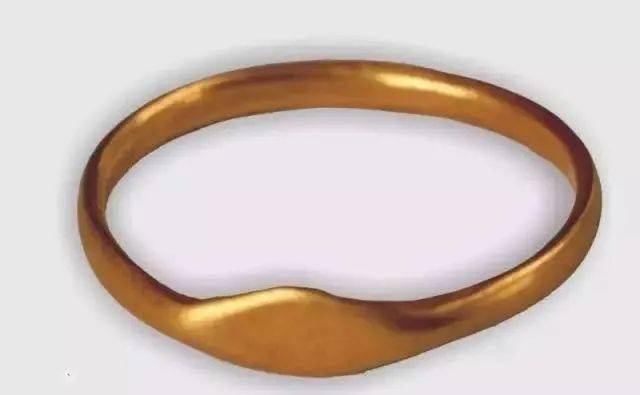
As society became more stable, wedding customs became more elaborate. Bridal attire expanded in color and richness, and hair accessories became more varied. During the Han period, women wore more intricate hair ornaments, and jewelry began to play a more visible role in marriage customs.
This period marked a shift toward greater ornamentation in bridal styling.
Tang Dynasty: Rich, Ornate, and Fashion-Forward
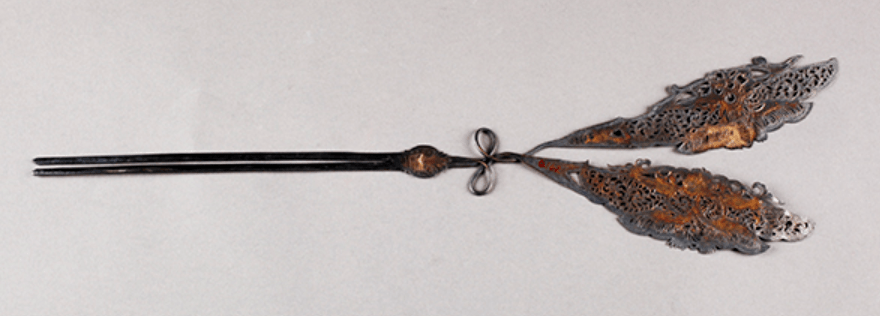
The Tang dynasty is often remembered for its flourishing culture and luxurious aesthetics. Bridal hair accessories from this era reflected that prosperity. Women wore gold and silver hairpins, elaborate ornaments, and decorative floral forehead pieces.
The Tang bridal look was expressive and richly layered, though style rules could still vary according to rank.
Song Dynasty: The Popularity of the Floral Crown
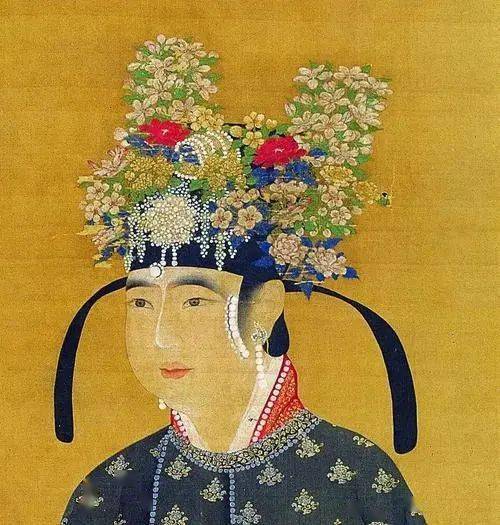
In the Song period, floral crowns became especially loved by women and were an important part of wedding dress. Bridal versions were more ornate than everyday ones, helping create a festive and celebratory look.
This era brought a softer but still highly decorative sense of bridal elegance.
Yuan Dynasty: Continuity and Cultural Blending
During the Yuan dynasty, wedding customs differed among ethnic groups. Mongol and Han traditions were not the same, yet many Han Chinese weddings continued earlier customs and styling practices.
As a result, bridal accessories in this period often reflected continuity rather than dramatic reinvention.
Ming Dynasty: The Golden Age of the Phoenix Crown
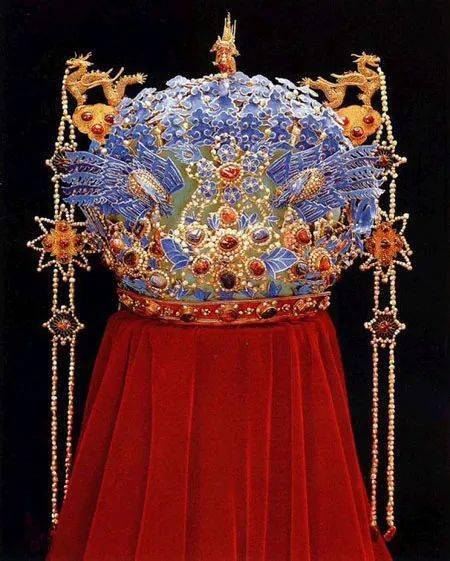
When many people think of traditional Chinese bridal styling, they are really picturing the Ming dynasty image of the bride in a phoenix crown and ceremonial robes.
Although phoenix-themed crowns had existed earlier, the Song and Ming periods helped formalize them within dress regulations. Later, the phoenix crown became closely associated with marriage, and ordinary women could wear it specifically on their wedding day.
Ming bridal styling also included gold hairpins, earrings, and bracelets, all chosen to echo the joy and importance of the occasion.
Qing Dynasty: Similar Roots, Different Forms
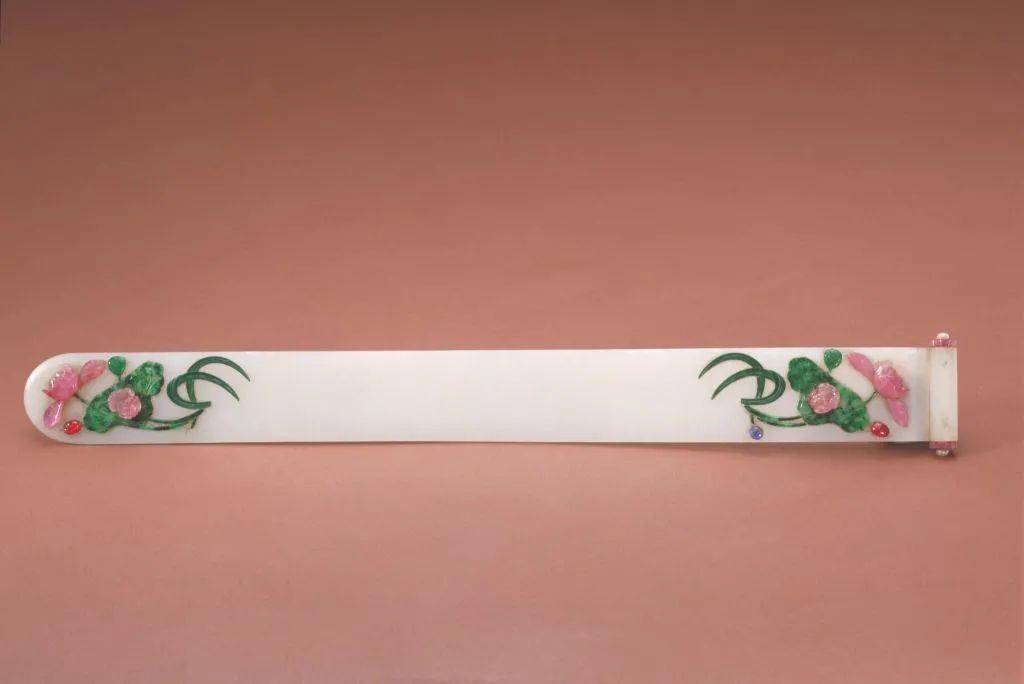
Qing bridal accessories shared some similarities with Ming styles, but there were also distinctions between Han and Manchu traditions. Han brides still wore phoenix-style headpieces, while Manchu brides used forms such as court crowns, flat-topped headwear, buyao, decorative combs, and other ornaments.
The result was a broader visual landscape of bridal adornment across communities.
How to Choose Chinese Bridal Hair Accessories Today
If you are choosing Chinese bridal hair accessories for a modern wedding, the best approach is to think about balance. The right headpiece should support the outfit, hairstyle, and mood of the ceremony rather than compete with them.
Here are a few practical ways to narrow it down:
Match the accessory to the formality of the wedding
A phoenix crown suits highly traditional or ceremonial weddings. A hairpin set or floral piece may be better for smaller celebrations or bridal photoshoots.
Consider your hairstyle
Structured updos work beautifully with crowns, phoenix hairpins, and buyao. Looser styles often pair better with lighter floral pins or smaller decorative sticks.
Think about weight and comfort
Some elaborate pieces look stunning but can feel heavy over several hours. Modern brides often choose lighter designs that keep the historical silhouette without the original weight.
Blend old and new carefully
A modern gown with Chinese-inspired details can pair well with one statement traditional accessory. You do not need every piece to be fully historical for the look to feel coherent.
Modern Chinese Bridal Hair Accessories: Tradition With Flexibility
One reason these accessories remain so loved is their adaptability. Modern brides are no longer limited to one strict formula. Some prefer a fully traditional style with a phoenix crown, red dress, and classical makeup. Others mix a contemporary bridal hairstyle with one or two Chinese-inspired ornaments.
That freedom allows the look to feel personal.
And really, that may be the most beautiful part of it. Traditional bridal styling is not only about recreating the past. It is also about choosing which parts of that past still speak to you now.
Final Thoughts on Chinese Bridal Hair Accessories
From the solemn simplicity of early wedding ornaments to the splendor of the phoenix crown, Chinese bridal hair accessories tell a long and fascinating story. They reflect changes in fashion, ceremony, status, and cultural taste across dynasties, yet they still feel deeply relevant in modern bridal styling.
Whether you are drawn to the grandeur of a phoenix crown, the graceful movement of a buyao, or the quiet refinement of a jade hairpin, these pieces offer more than beauty alone. They carry tradition in a form you can actually wear.
And for many brides, that is exactly the charm.
FAQ
What are the most traditional Chinese bridal hair accessories?
The most traditional options include the phoenix crown, phoenix hairpins, buyao, and classical Chinese hairpins or hair sticks. These pieces were commonly associated with formal wedding styling and carried cultural symbolism.
What is a phoenix crown in a Chinese wedding?
A phoenix crown is a traditional bridal headpiece decorated with phoenix motifs, beads, tassels, and ornate metalwork. It is one of the most iconic symbols of classical Chinese bridal dress and is often associated with dignity, ceremony, and noble beauty.
What is a buyao?
A buyao is a traditional Chinese hair ornament with dangling parts that sway when the wearer moves. It adds elegance and motion to bridal styling and has historically been associated with refined or high-status dress.
Are Chinese bridal hair accessories still worn today?
Yes. Many modern brides wear Chinese-inspired hair accessories for traditional weddings, tea ceremonies, pre-wedding photoshoots, or fusion bridal looks. Contemporary versions are often lighter and easier to wear while keeping classical design elements.
How do I choose the right Chinese bridal hair accessory?
Start with your dress style, hairstyle, and the level of formality of the wedding. A phoenix crown works well for a grand traditional look, while hairpins, floral pieces, and buyao are often easier for softer or more modern bridal styling.
What colors are common in Chinese bridal hair accessories?
Red and gold are especially common because they are linked with celebration, prosperity, and joy. However, many pieces also feature jade green, pearl white, silver, black wood, or crystal details depending on the design.