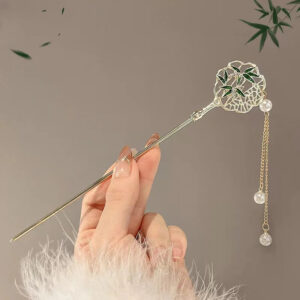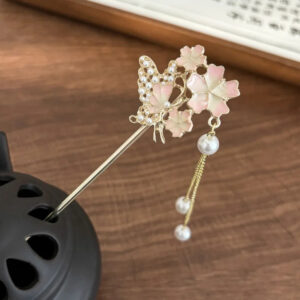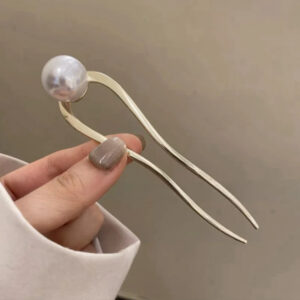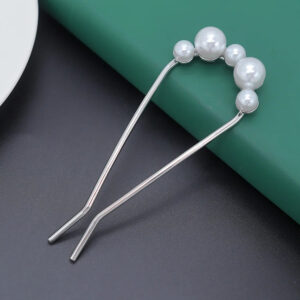
The first time you try hanfu, the clothing usually feels exciting, but the hair can feel a little intimidating. That is where many beginners get stuck. The good news is that you do not need an elaborate historical hairstyle or a heavy headpiece to make your outfit feel complete. In fact, the most wearable hanfu hair accessories for beginners are often the simplest ones: a clean hairpin, a small comb, a light tassel detail, or a soft headpiece that adds balance without taking over the whole look.
That approach is not just practical. It also makes sense culturally. In Chinese dress history, hair ornaments were never only decorative. They helped secure the hair, completed the silhouette, and often reflected taste, identity, or social standing. Hairpins in particular were widely used, and today’s hanfu revival still carries that same logic into festivals, cultural events, travel styling, and photoshoots.
Why Hanfu Hair Accessories for Beginners Should Start with the Basics
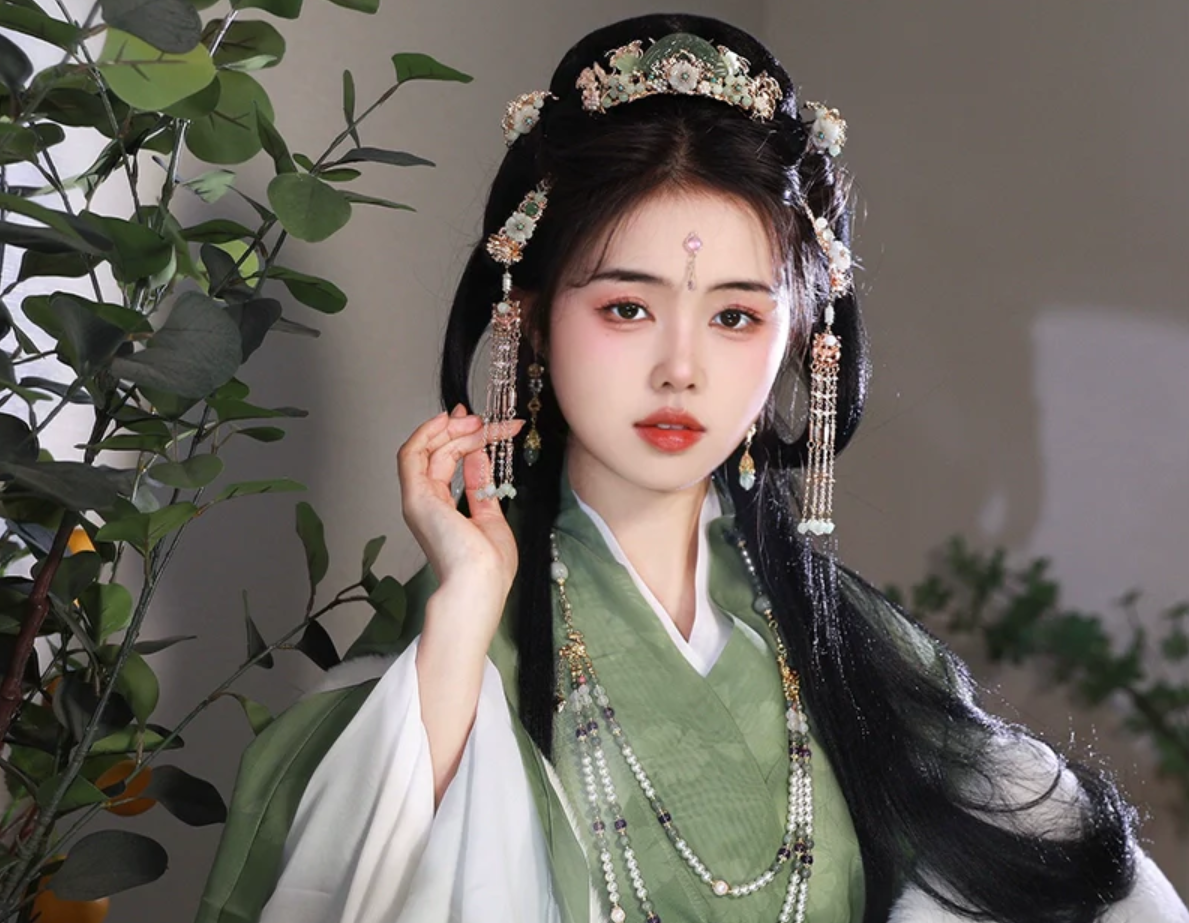
If you are new to hanfu, the easiest mistake is trying to wear too much at once. A full set of crowns, layered tassels, dramatic flowers, and oversized ornaments may look beautiful in studio photography, but on a real person, especially a beginner, it can feel heavy and disconnected from the rest of the outfit. A simpler approach usually looks more natural.
There is also a nice historical reason to begin with a basic pin. In traditional Chinese culture, the hairpin was not a minor accessory. The coming-of-age ceremony for girls, ji li, centered on pinning the hair up, and historical sources describe it as an important rite marking the transition into adulthood. The ji, an early form of hairpin, was also one of the foundational hair ornaments in Chinese dress culture.
So when people say beginners should start with “basic pieces,” that advice is not dull at all. It actually follows one of the oldest and most elegant ideas in traditional styling: build the shape first, then let one accessory finish it.
The Best Hanfu Hair Accessories for Beginners to Try First
When you start exploring hanfu hair accessories for beginners, it helps to know a few classic categories, but you do not need to buy every type.
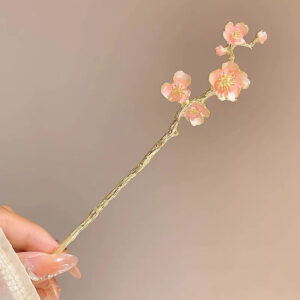
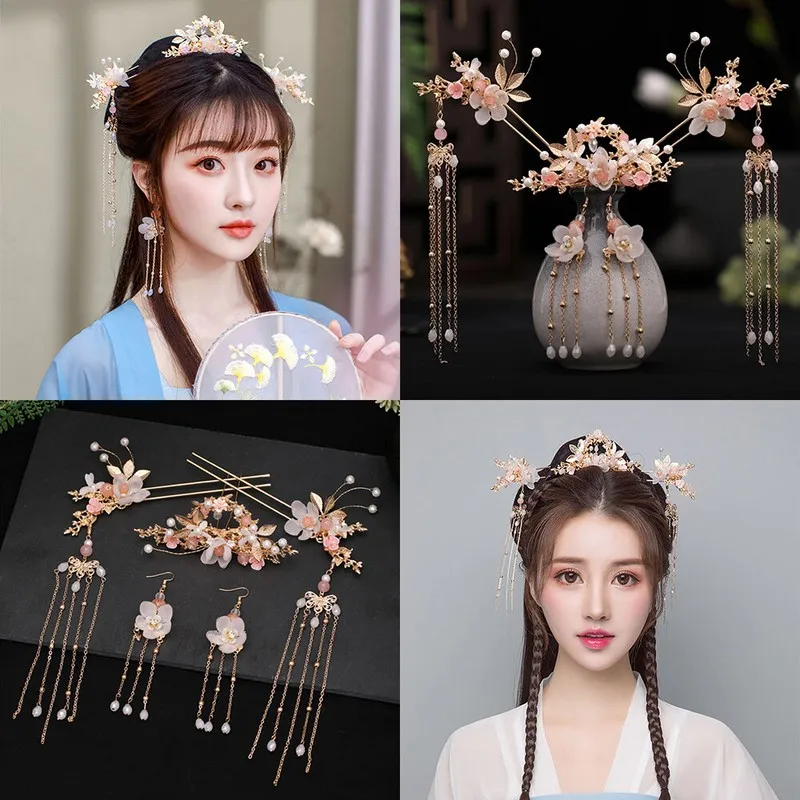
A simple hairpin is the best first choice. Historically, Chinese hairpins developed through many forms, including ji, zan, and chai. A zan is generally a single-prong pin, while a chai is double-pronged. If you only buy one piece at the beginning, make it a clean, easy-to-wear pin that can hold a bun or half-up style without fuss.
A decorative comb is another good beginner piece. Traditional fine-toothed combs could be both functional and ornamental, and they work especially well if you want something visible but softer than a statement pin. They sit nicely in a side bun, low bun, or half-up hairstyle and tend to photograph beautifully without looking too formal.
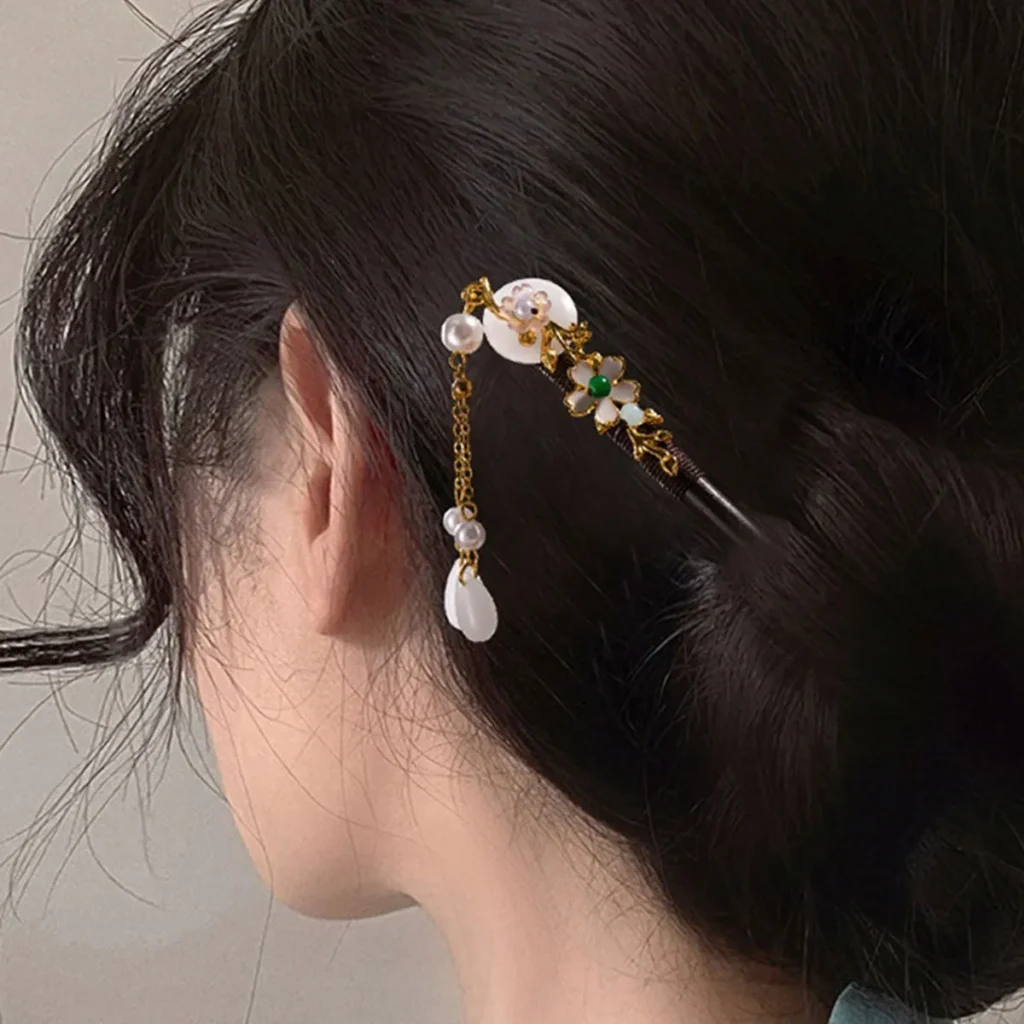
Then there is the tassel detail, which many beginners love because it immediately makes the look feel more “hanfu.” Historically, the better-known moving ornament is the buyao, a hair accessory with dangling elements designed to sway as the wearer walked. That movement is part of its charm, but for beginners, a lighter tassel-style piece usually feels easier to wear than a full ornate buyao.
You can also try headbands or light headpieces, especially if your hairstyle is simple and you want a little framing around the face. These are useful when you do not want to build a full bun but still want the outfit to feel intentional.
My honest suggestion is this: start with one pin, then add either one comb or one tassel piece. That is more than enough for a first hanfu look.
Keep the Hairstyle Simple and Let the Accessory Do the Work
A lot of beginners assume the accessory has to be dramatic to look “correct.” Usually the opposite is true. A neat low bun, a simple single bun, or a half-up hairstyle will do most of the work for you. Once the hair shape is clean, even one well-placed pin can look refined.
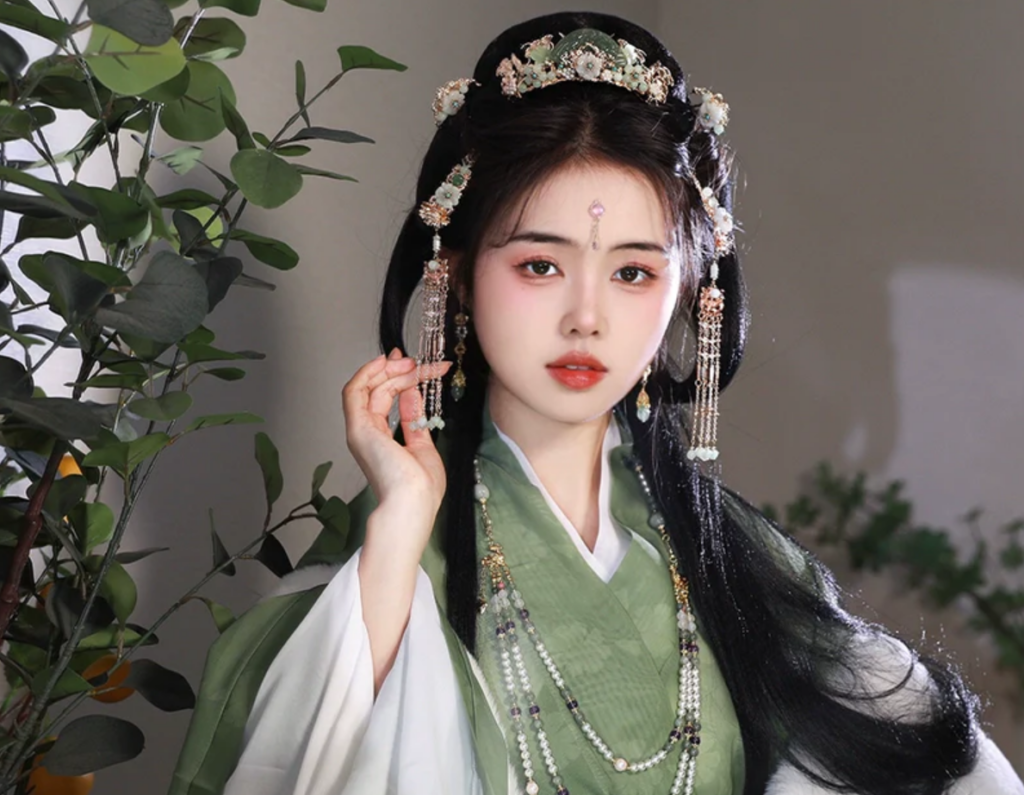
Historically, Chinese women’s hair styling could become very elaborate, and by the Tang dynasty, hair ornaments were strongly associated with status and display. Museum sources note that by that period, ornaments could signal wealth, and even regulations existed around their number and use. That richness is part of what makes Tang-inspired styling so beautiful, but it also explains why beginners do better with a lighter version of the aesthetic rather than trying to recreate court dress all at once.
Think of it this way: your first goal is not to look theatrical. It is to look harmonious. Hanfu already has movement, line, and visual interest. The hair accessory should support that, not compete with it.
How to Choose Hanfu Hair Accessories for Beginners Without Overthinking It
When choosing your first pieces, I would focus on three things: shape, color, and weight.
For shape, look for pieces that match the softness or structure of your outfit. If your hanfu is flowing and light, choose a slim pin, a delicate tassel, or a floral comb. If your outfit is more formal or more structured, a slightly more defined metal or jade-look piece will work better.
For color, beginners almost always do well with neutral traditional tones: silver, soft gold, white, jade green, deep red, or muted floral shades. These colors are easier to pair and less likely to clash with embroidered fabrics.
For weight, lighter is better. This matters more than people think. If an accessory is uncomfortable, unstable, or constantly sliding, you will stop wearing it. A graceful look should feel easy on the head.
This is also why handmade-looking pieces often work so well for beginners. They may feel more textured and more personal, but they still leave room for the clothing to shine.
Where Beginners Usually Wear Hanfu Hair Accessories
Today, hanfu is worn in many settings beyond formal reenactment. It appears in cultural festivals, scenic travel photography, themed events, and everyday social media styling. That is one reason simple accessories have become so useful: they let the outfit move between costume-level styling and real-life wearability.
For a festival or outdoor event, a secure pin and a light tassel piece are usually enough. For a wedding guest look or a more formal shoot, you can add a comb or a more ornate headpiece. For casual hanfu-inspired styling, even a single hair stick or understated floral clip can be enough to create the right mood.
If your goal is to make hanfu feel more natural in daily life, this is the sweet spot: hair up, one distinctive accessory, and no unnecessary complexity.
Final Thoughts
If you are just starting out, do not let the world of accessories overwhelm you. The best hanfu hair accessories for beginners are not the biggest or the most expensive pieces. They are the ones that help your hairstyle feel finished, balanced, and quietly elegant.
A simple pin has centuries of cultural depth behind it. A comb can soften the whole silhouette. A tassel detail can bring movement and charm. And when those elements are used with restraint, the result feels much closer to the spirit of hanfu than an overloaded look ever could.
Start small. Wear it a few times. Learn what feels comfortable on your own head. That is usually when hanfu styling begins to feel not like costume, but like beauty you can actually live in.
FAQ
What is the best first piece to buy if I am new to hanfu?
A simple single hairpin is still the easiest place to begin. It is versatile, easy to style, and rooted in one of the oldest traditions of Chinese hair ornament culture.
What is the difference between zan, chai, and buyao?
In simple terms, zan usually refers to a single-prong hairpin, chai to a double-pronged pin, and buyao to an ornament with moving dangling parts that sway as the wearer walks.
Do I need a full historical hairstyle to wear hanfu hair accessories?
No. For most beginners, a low bun, simple bun, or half-up hairstyle is enough. Historically, some periods developed highly elaborate hair arrangements, but modern hanfu styling does not require a court-level recreation to look elegant.
Can I wear hanfu hair accessories to festivals or photoshoots only?
Not at all. Hanfu and its accessories are now commonly seen in festivals, cultural gatherings, travel shoots, and more relaxed styling contexts, so a simple accessory can work well beyond formal costume wear.
Are ornate crowns and large headdresses good for beginners?
Usually not as a first purchase. They can be beautiful, but they are harder to balance, heavier to wear, and less flexible across outfits. Most beginners get more use out of one pin, one comb, and one light decorative piece before moving into more elaborate styles.